Heads turned as the masked men with clubs walked down a Rafah street, part of a vigilante public security group set up by armed factions in Gaza after the civil police force went underground, saying it was targeted by Israeli strikes.
A group of nine of the men, their headbands reading "People's Protection Committees" bound around ski masks or hoods, strode through a marketplace this week after first appearing around Rafah late last month.
"We want to control the street to ensure that there is still safety in the country… We are present in the streets to control the streets from all sources of trouble existing in the Palestinian street now," one said.
The group was formed by the Hamas-run Interior Ministry, along with other political factions that had a street presence in Gaza, and was tasked with ensuring public order and stopping price hikes by market profiteers, he said.
Reuters was unable to reach a spokesperson for the Gaza Interior Ministry, which has stopped operating normally since the war began. Spokespeople for Hamas, Islamic Jihad, and another major faction did not immediately respond to requests for comment.
masked gunmen in the streets of Jenin Refugee Camp (credit: KHALED ABU-TOAMEH)
When the vigilantes first appeared in markets, with some brandishing assault rifles, dozens of youths gathered around to whistle, clap, and chant "God is Great" in support, witnesses said.
But while some Rafah residents appeared to welcome the emergence of the People's Protection Committees to tackle lawlessness and war profiteers, others seemed worried at the idea of armed, masked men taking over policing.
"Maybe if we had real policemen without masks, people who are known to the people, it would be more organized and more comfortable," said a father-of-four Reuters reached by phone in Rafah.
None of the people Reuters spoke to wanted to be identified by their full names. The vigilantes feared being identified by Israel or by the clans of profiteers whose goods they had seized, one person said. People backing the vigilantes were worried that Israel would see them as Hamas supporters.
Those who voiced concern about them were worried about angering the group or the factions that support it, they said.
Stay updated with the latest news!
Subscribe to The Jerusalem Post Newsletter
Profiteering
Hamas, whose deadly attack on Israel on Oct. 7 triggered the conflict, has run Gaza since 2006, including overall control over the civil police force.
Officials from the UN agency for Palestinian refugees, UNRWA, have said uniformed municipal police in Gaza have refused to escort aid convoys after a number of police were killed in Israeli strikes.
Israel's military did not immediately respond to a request for comment on whether it was attacking police.
The conflict has led to intense shortages of all goods in Gaza, with Israel allowing only humanitarian aid into the enclave, trickling in at a far slower rate than food and medicine did before the conflict.
Prices have rocketed, infuriating a population in which almost everybody has already lost their home and now live, destitute, in tents or other temporary shelters with few possessions beyond the clothes they wear.
"The ministry of economy sets the price of every good which everyone should follow, including big traders even before smaller ones," said one of the masked men.
They issue warnings to traders whose prices are too high and confiscate the goods of repeat offenders to sell at the set rate, he said.
"They are answering our call to protect us against high prices," said Akram, a Rafah resident infuriated by the rampant inflation who had to quit smoking because a single cigarette cost what a whole packet had done previously.
The father of four in Rafah said he had initially welcomed the idea of vigilante groups, but they had proven ineffective and were going after the wrong people, he said.
"They should focus their mission at Rafah border crossing where the goods come in and they have to press senior merchants to bring down prices," he said.
Market traders selling goods at a high price were often displaced people who had been forced to buy their goods at inflated prices from profiteers themselves, said another Rafah resident.
"Why can't the Economy Ministry form groups to do these campaigns and inspect markets?" he said.
צה"ל ממשיך בתקיפות המתמקדות בתשתיות תעשייה ביטחונית ברחבי המדינה. לפי גורמים צבאיים, הותקפו עשרות אתרים, ובהם מפעלי ייצור, אתרי שיגור ומתקנים של חיל האוויר והים. בין היתר, הותקף אתר ביאזד וכן בסיס ששימש את הצבא האיראני לייצור סוללות ואמצעי לחימה. בצה"ל מעריכים כי כ-15% מסד"כ הייצור הרלוונטי נפגע, וכי קיימת פגיעה ממשית ביכולת הייצור.
עוד נמסר כי הותקפו גם מתקנים המשמשים למחקר ופיתוח, בהם אוניברסיטה ששימשה לפיתוח אמצעי לחימה, כולל תחומים כימיים ותשתיות תת-קרקעיות. גורמים צבאיים מציינים כי המאמץ מתמקד לא רק בפגיעה טקטית אלא גם בשיבוש עמוק של רכיבי התעשייה הביטחונית האיראנית.
בצה"ל מציינים כי קצב השיגורים מאיראן ירד בימים האחרונים: ממאות פריטים ביממה לכ-100, ובהמשך לעשרות בודדות ואף פחות. עם זאת, מדגישים כי נעשים ניסיונות לריכוז מאמץ, וכי מערכות ההגנה ממשיכות לפעול ליירוט האיומים.
בחיל האוויר מעריכים כי יידרשו עוד כמה ימים כדי להשלים את היקף הפגיעה האנושה במערכי הייצור והפיתוח של תעשיות הנשק. "המטרה להביא למצב שבו האיראנים יתקשו להשתקם ביום שאחרי. זה ידרוש מהם משאבים כדי להתחיל ולבנות מחדש את מערכי הפיתוח והייצור של כלל התעשיות הביטחוניות", אומר גורם צבאי.
עלי רצ'א תנגסירי, מפקד חיל הים של משמרות המהפכה| צילום: דובר צה"ל
על פי נגל, "למרות שבאופן רשמי זה לא יצא אף פעם החוצה, כנראה ישראל החליטה לתקוף ללא קשר לאישור או אי אישור, היא הודיעה לארצות הברית וזו אמרה: 'אוקיי, תתקפי'. היא לא הבטיחה שתצטרף".
לדעתו של פרופ' נגל, ישראל לא מתכוונת לתקוף את אתרי הגרעין האיראניים בעת הזו. "את הפגיעה שאיראן ספגה ב'עם כלביא' היא לא הספיקה לתקן, וגם החומר המעשר שנמצא במעמקי פורדו ואיספהאן – אי אפשר להגיע אליו מהאוויר". הוא הסביר כי אם האיראנים ינסו להתניע מחדש את תוכנית הגרעין שלהם, גורמי המודיעין יבחינו בכך מייד. "ניסיון של האיראנים לשקם את האתרים ייראה מהאוויר. לפעמים אתה יכול להיכנס לתוך האתרים עצמם, אבל רוב הסיכויים שיראו אותך מתקרב אליהם". לפיכך הוא העריך: "אני לא רואה איום מיידי כרגע מהגרעין האיראני".
תמונת לוויין מעל פורדו, לפני שארה"ב תקפה את המתקן הגרעיני התת-קרקעי, ליד קום| צילום: REUTERS/File Photo
הוא סבור כי מה שמדיר שינה מעיני ישראל אחר לגמרי. "ישראל לא יכולה להשאיר את תוכנית הטילים הבליסטיים באיראן ללא פגיעה", קבע. "בנושא הטילים הבליסטיים לצערי, חלק מהדברים שנפגעו הם דו שימושיים, הם קיבלו בהם עזרה בעיקר מהסינים, והם משקמים אותם בקצב מהיר. זו אחת הסיבות המרכזיות שנתניהו נסע לוושינגטון, כדי לדבר עם טראמפ בארבע עיניים".
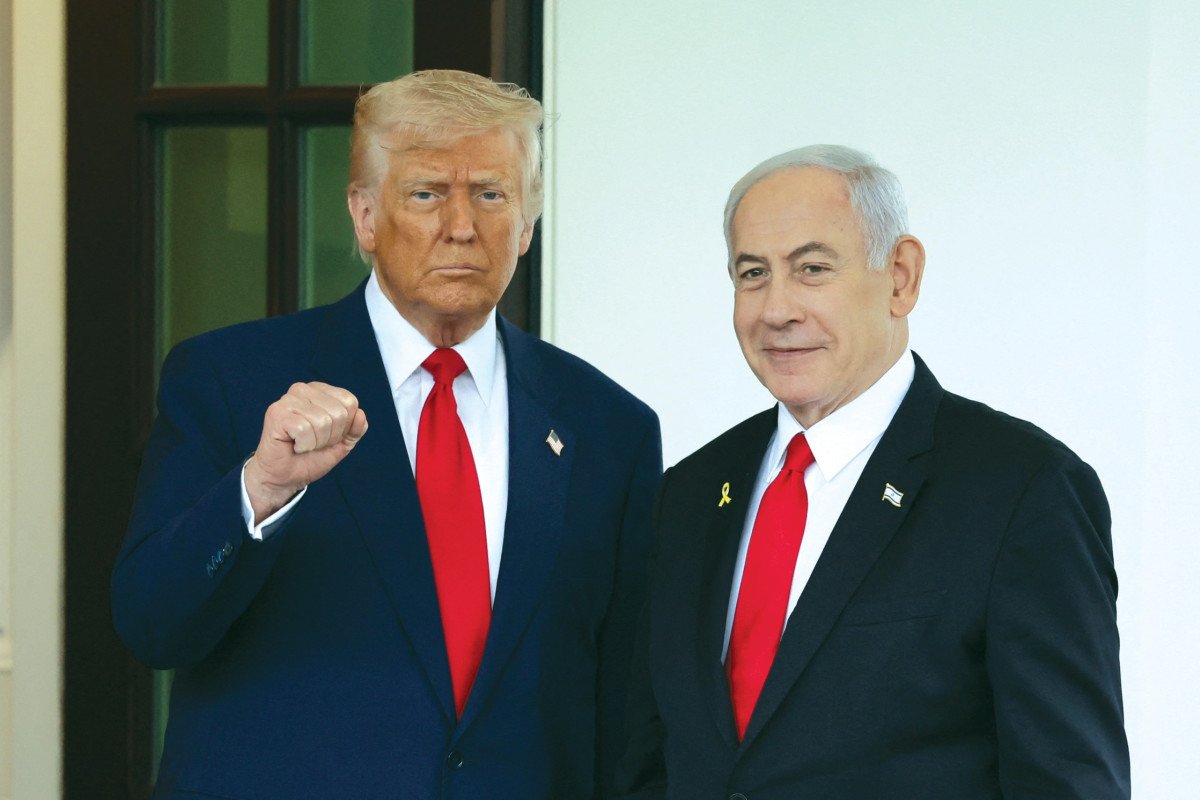
לסיום התייחס לנסיעתו הבהולה של ראש הממשלה לוושינגטון. "יש דברים שאי אפשר להציג בשיחת וידאו קצרה עם הנשיא. עצם העובדה שכשראש ממשלת ישראל מבקש, הוא מקבל פגישה באופן מיידי, זה עצמו מעביר מסר. הסיבה העיקרית הייתה לבוא ולהדגיש את הבעייתיות בכוונות שלהם, מה האיראנים חשובים ומה הם מתכננים, וגם מה הם חושבים על האמריקאים". הוא הדגיש: "אלה דברים שחשוב שייאמרו בחדר סגור. למיטב הערכתי, לא קיבלנו החוצה כל מה שנאמר בין נתניהו לטראמפ, וזה טוב מאוד".

המערב והמדינות הסוניות המתונות במזרח התיכון מקווים כי המשטר האיראני יקרוס באמצעות הפיכה. למרות שהמשטר דתי וקיצוני, מרבית הציבור האיראני הוא חילוני, ליברלי ומשכיל במיוחד. נכון לעכשיו, אין לקבוצות המפגינים ברחובות מנהיג או הנהגה שיכולים לקחת את האירוע המתחולל באיראן צעד אחד קדימה.
צה"ל ומערכת הביטחון הגבירו את הדריכות והפיקוח על איראן
דבריו של נשיא ארה"ב אתמול נקלטו היטב באיראן. ראשי המשטר מיהרו להשתמש בהם כדי להשפיע על דעת הקהל, בניסיון להציג את המחאה כתוצר של התערבות חיצונית. האיומים של הנשיא האיראני, שלפיהם פעילות צבאית אמריקנית נגד מדינתו תיענה בתגובה, נתפסים כחסרי כיסוי ממשי.
חשופה לחלוטין לתקיפה אווירית. תקיפה באיראן (צילום: Hamid Amlashi/WANA| West Asia News Agency) via REUTERS
לאן יוביל סבב המחאות הנוכחי באיראן? התשובה אינה ברורה. נראה כי ההפגנות הפעם עוצמתיות יותר, והייאוש של האזרחים אמיתי. הבעיה המרכזית היא היעדר הנהגה או מנהיג שיכולים להוביל את המחאה לשלב השני של מהפכה. מנגד, ייתכן שמהלכי המחאה יביאו לשינויים בסדרי העדיפויות של הממשל האיראני. על ישראל להמשיך לפעול כפי שעשתה בימים האחרונים: להיות ערנית ודרוכה – ובמקביל לשמור על דום שתיקה.