The United Nations called the situation in northern Gaza "desperate" on Monday, sparking renewed criticism of Israel a year after it launched a major offensive against Hamas.
A statement from the UN Office of the High Commissioner for Human Rights (UNOCHA) said it was “appalled by Israel’s continued bombing and other attacks on … north Gaza, where its forces have trapped tens of thousands of Palestinians … in their homes and shelters with no access to food or other life-sustaining necessities.” The UN also reported a sharp drop in humanitarian aid to the area since the beginning of the month.
The Israeli military issued evacuation orders for northern Gaza, citing intelligence that Hamas was regrouping. This followed an offensive on the Jabaliya refugee camp.
Residents were urged to relocate to humanitarian safe zones. However, reports suggest that many have not followed the orders, likely due to exhaustion from repeated displacement throughout the year-long war. The UN estimates nearly 2 million Palestinians have been displaced, many forced to move as the Israeli army withdraws and re-enters various parts of the territory.
Humanitarian aid to Gaza, largely controlled by Israel through its oversight of all entry points, has been a contentious issue within Israel since the war began in October last year, drawing international scrutiny and criticism.
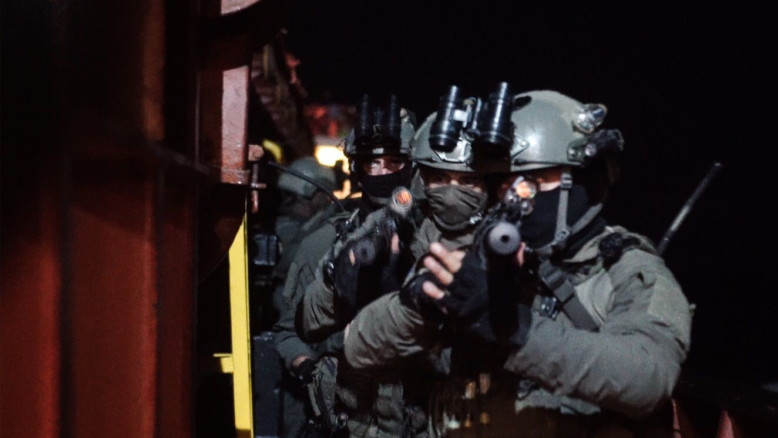
IDF soldiers operate in the Gaza Strip. (credit: IDF Spokesperson’s Unit)
Israeli media reports that Prime Minister Benjamin Netanyahu is considering "The General’s Plan," proposed by retired army generals. The plan calls for halting humanitarian aid to northern Gaza to increase pressure on Hamas and secure the release of 101 Israeli hostages. It assumes that Hamas leader Yahya Sinwar has not relented under the yearlong military campaign and suggests that withholding aid might force the desired outcome. The plan also proposes indefinite Israeli military control of the area. Netanyahu has denied any intention to permanently control or resettle Gaza, which Israel evacuated in 2005.
“What we are seeing seems like either an attempt to implement the first part of the plan, or a trial run of it,” Michael Milstein, head of the Palestinian Studies Forum at the Moshe Dayan Center for Middle Eastern and African Studies, told The Media Line. “But the Palestinian population is not cooperating, and it doesn’t seem to be working,” Milstein added. "It is unclear how such a plan will promote Israel’s goals. "The plan seeks to completely clear the area of civilians. Any who remain would be considered combatants by the Israeli army, allowing troops to engage them. The army has declined to comment on whether it is following this plan or acting under other orders.
“The Hamas terrorist organization uses the residents of Gaza as human shields and prevents them from obeying IDF calls to move to safe areas,” Lt. Col. Avichay Adraee, the Israel Defense Forces’ Arabic spokesperson, posted on X Monday, blaming Hamas for the lack of civilian cooperation.
Preventing Hamas from regrouping
The army’s latest move to reposition in Gaza is part of ongoing efforts to prevent Hamas from rebuilding. Following an intense ground operation early in the war, the IDF has significantly reduced its presence, with relatively few troops now stationed in Gaza. “This represents a moment of strategic embarrassment,” said Milstein. “Israel has been at an intersection for a long time without making a decision. The doctrine in which it believed it could topple Hamas without 24/7 occupation of Gaza is a failed one.”
With its forces engaged in a war against Hezbollah in Lebanon and possibly facing an imminent confrontation with Iran, the Israeli military is likely too stretched to maintain a larger presence in Gaza.
Stay updated with the latest news!
Subscribe to The Jerusalem Post Newsletter
“This leaves no other option than to make a deal with Hamas, that would see an Israeli withdrawal from Gaza and the release of hostages,” said Milstein. The IDF controls several areas in Gaza, while leaving others under Hamas’ control. Israel forces are present at Gaza’s border with Egypt, the perimeter along the Gaza Strip, and in the northern part of the territory.
Hard-liners in the Israeli government are advocating for a full occupation of the Gaza Strip, while Israel faces mounting criticism over the humanitarian situation in the impoverished territory.
“The UN reports that no food has entered northern Gaza in nearly 2 weeks. Israel must urgently do more to facilitate the flow of aid to those in need. Civilians must be protected and must have access to food, water, and medicine. International humanitarian law must be respected,” US Vice President and Democratic presidential nominee Kamala Harris posted on X Monday.
The IDF Coordinator of Government Activities in the Territories reported that 83 trucks carrying humanitarian aid and 12 gas and fuel tankers entered Gaza on Monday. The war between Hamas and Israel began after Hamas launched a large-scale attack on southern Israel. The assault, which shocked the nation, left 1,200 Israelis dead, thousands injured, and over 250 taken hostage. Since the war began, 154 hostages have been released, some of them deceased. The fate of the remaining hostages remains unclear, with dozens believed to be dead.
UNOCHA figures, based on reports from the Hamas-run Gaza Health Ministry, indicate that over 42,000 Palestinians have been killed since the war began. While Israel asserts that many of the casualties were armed combatants, international and Palestinian sources report a high civilian death toll. These figures have not been independently verified but have nonetheless led to criticism of Israel’s conduct in the war.
As the war rages, Israel continues to pound Gaza in the hopes of achieving the two main goals its government has set for the war— toppling Hamas and securing the release of hostages. A year into the conflict, international organizations have consistently warned that Gaza is on the brink of famine. Israel, however, denies any threat to food security, insisting that it maintains a steady flow of humanitarian aid into the territory. Some Israelis have advocated using humanitarian aid as leverage to pressure Hamas, which currently controls its distribution, thereby maintaining its grip on Gaza. Several Israeli officials have suggested that prominent Gaza families or clans could govern the territory instead of Hamas. However, the Israeli government has ruled out reinstalling the Palestinian Authority (PA) as a replacement, citing its support for terrorism and its failure to condemn the October 7 attack on Israel.
“If Palestinians had to choose between Hamas or Gazan clans to rule Gaza, they would choose Hamas,” Mkhaimar Abusada, chairman of the Department of Political Science at Al-Azhar University in Gaza and visiting scholar at Northwestern University, told The Media Line. “If Israel would allow the PA to run Gaza again, the goal of marginalizing Hamas will be easier. One must keep in mind that the PA would not step foot in Gaza without Hamas’ approval.”
“The Israeli army, which has killed over 42,000 Palestinians, is not trusted by Gazans to distribute aid,” Abusada added. “The overwhelming majority of them look at the Israeli army as murderers and they will not accept food from them.” However, if left with no other option, Gazans may be forced to accept aid from the Israeli army.
“There is no competition for Hamas in Gaza,” said Milstein. “They continue to control the area, through civilian governance. They survived Israel’s massive offensive and are still the dominant force in Gaza, they survived by being like chameleons successfully changing constantly. Without a full occupation, this will not disappear despite Israel trying to make it so.”
Hamas ousted the PA from Gaza in 2007. Violent images of Hamas fighters throwing PA employees from rooftops in Gaza City highlighted the deep animosity between the two rival Palestinian factions. Years of reconciliation efforts have failed, despite repeated claims to the contrary. However, recent negotiations in Cairo have reportedly brought the two sides closer to an agreement on postwar Gaza.
“Hamas has accepted in principle to allow the PA to run the Gaza Strip, they have still now agreed that Hamas is more open to this scenario,” Abusada said.
The likelihood of this scenario remains slim, due to a complex set of circumstances that have significantly weakened the PA over the past decade. With Hamas still in power in Gaza and the Israeli military stretched too thin to remove them, humanitarian aid remains at the heart of the conflict. With no signs of a ceasefire on the horizon, civilians will continue to pay the price.
מבוכה ביחידת העילית: חייל המשרת בתפקיד מפקדה נעצר בחשד שגנב שלושה רובי M16 מבסיס השייטת בעתלית. הנשקים טרם אותרו, ומצ"ח ומשטרת ישראל פתחו בחקירה משותפת
צה"ל ממשיך בתקיפות המתמקדות בתשתיות תעשייה ביטחונית ברחבי המדינה. לפי גורמים צבאיים, הותקפו עשרות אתרים, ובהם מפעלי ייצור, אתרי שיגור ומתקנים של חיל האוויר והים. בין היתר, הותקף אתר ביאזד וכן בסיס ששימש את הצבא האיראני לייצור סוללות ואמצעי לחימה. בצה"ל מעריכים כי כ-15% מסד"כ הייצור הרלוונטי נפגע, וכי קיימת פגיעה ממשית ביכולת הייצור.
עוד נמסר כי הותקפו גם מתקנים המשמשים למחקר ופיתוח, בהם אוניברסיטה ששימשה לפיתוח אמצעי לחימה, כולל תחומים כימיים ותשתיות תת-קרקעיות. גורמים צבאיים מציינים כי המאמץ מתמקד לא רק בפגיעה טקטית אלא גם בשיבוש עמוק של רכיבי התעשייה הביטחונית האיראנית.
בצה"ל מציינים כי קצב השיגורים מאיראן ירד בימים האחרונים: ממאות פריטים ביממה לכ-100, ובהמשך לעשרות בודדות ואף פחות. עם זאת, מדגישים כי נעשים ניסיונות לריכוז מאמץ, וכי מערכות ההגנה ממשיכות לפעול ליירוט האיומים.
בחיל האוויר מעריכים כי יידרשו עוד כמה ימים כדי להשלים את היקף הפגיעה האנושה במערכי הייצור והפיתוח של תעשיות הנשק. "המטרה להביא למצב שבו האיראנים יתקשו להשתקם ביום שאחרי. זה ידרוש מהם משאבים כדי להתחיל ולבנות מחדש את מערכי הפיתוח והייצור של כלל התעשיות הביטחוניות", אומר גורם צבאי.
עלי רצ'א תנגסירי, מפקד חיל הים של משמרות המהפכה| צילום: דובר צה"ל
על פי נגל, "למרות שבאופן רשמי זה לא יצא אף פעם החוצה, כנראה ישראל החליטה לתקוף ללא קשר לאישור או אי אישור, היא הודיעה לארצות הברית וזו אמרה: 'אוקיי, תתקפי'. היא לא הבטיחה שתצטרף".
לדעתו של פרופ' נגל, ישראל לא מתכוונת לתקוף את אתרי הגרעין האיראניים בעת הזו. "את הפגיעה שאיראן ספגה ב'עם כלביא' היא לא הספיקה לתקן, וגם החומר המעשר שנמצא במעמקי פורדו ואיספהאן – אי אפשר להגיע אליו מהאוויר". הוא הסביר כי אם האיראנים ינסו להתניע מחדש את תוכנית הגרעין שלהם, גורמי המודיעין יבחינו בכך מייד. "ניסיון של האיראנים לשקם את האתרים ייראה מהאוויר. לפעמים אתה יכול להיכנס לתוך האתרים עצמם, אבל רוב הסיכויים שיראו אותך מתקרב אליהם". לפיכך הוא העריך: "אני לא רואה איום מיידי כרגע מהגרעין האיראני".
תמונת לוויין מעל פורדו, לפני שארה"ב תקפה את המתקן הגרעיני התת-קרקעי, ליד קום| צילום: REUTERS/File Photo
הוא סבור כי מה שמדיר שינה מעיני ישראל אחר לגמרי. "ישראל לא יכולה להשאיר את תוכנית הטילים הבליסטיים באיראן ללא פגיעה", קבע. "בנושא הטילים הבליסטיים לצערי, חלק מהדברים שנפגעו הם דו שימושיים, הם קיבלו בהם עזרה בעיקר מהסינים, והם משקמים אותם בקצב מהיר. זו אחת הסיבות המרכזיות שנתניהו נסע לוושינגטון, כדי לדבר עם טראמפ בארבע עיניים".
לסיום התייחס לנסיעתו הבהולה של ראש הממשלה לוושינגטון. "יש דברים שאי אפשר להציג בשיחת וידאו קצרה עם הנשיא. עצם העובדה שכשראש ממשלת ישראל מבקש, הוא מקבל פגישה באופן מיידי, זה עצמו מעביר מסר. הסיבה העיקרית הייתה לבוא ולהדגיש את הבעייתיות בכוונות שלהם, מה האיראנים חשובים ומה הם מתכננים, וגם מה הם חושבים על האמריקאים". הוא הדגיש: "אלה דברים שחשוב שייאמרו בחדר סגור. למיטב הערכתי, לא קיבלנו החוצה כל מה שנאמר בין נתניהו לטראמפ, וזה טוב מאוד".