The resilience of Israel’s economy has been tested time and again, but history has shown that it possesses a remarkable ability to recover and thrive. Last month, Israel Bonds, Development Corporation of Israel in the United States, together with SRI Investment Club, brought together leading economic experts to explore the economic resilience, challenges and opportunities Israel faces in the shadow of its multifront war that has waged for nearly 16 months.
Despite these immense challenges, economic indicators suggest that Israel is not only stabilizing but is also positioning itself for robust future growth. Playing a part of this economic recovery are Israel bonds, responsible for providing much-needed liquidity and confidence in the country’s fiscal future.
LEADING ECONOMIC experts explore the economic resilience, challenges and opportunities Israel faces in the shadow of its multi- front war that has waged for nearly 16 months. (Credit: ISRAEL BONDS)
A Historic Surge in Israel Bonds Investment
Joined by leading global investors in the State of Israel, Israel Bonds President and CEO Dani Naveh, former Israel’s minister of Health, and Chairman of the Board of Clal Insurance and Finance, shared how the investment in Israel Bonds is not just a financial investment that offers strong and steady returns, but represents a tangible impact in Israel’s economic resilience.
“October 7, 2023, has galvanized support for Israel like never before,” shared Naveh, adding that “We started a special campaign for Israel on October 7. In the last quarter of 2023, we raised $1 billion and since October 7, I'm proud and grateful to share that we have raised more than $3.7 billion globally for Israel. This is three times our average annual sales, and these funds have been an essential lifeline in ensuring Israel's economic resilience.”
One of the indicators of economic confidence has been the unprecedented global investment in Israel Bonds. Stuart Garawitz, Vice President of National Sales for Israel Bonds in the United States, reaffirmed, “Investors saw it as an opportunity to support Israel, not just as an act of solidarity, but because they know Israel Bonds are a strong, reliable investment.” According to Garawitz, Israel Bonds represented 25% of Israel’s foreign debt in 2023, demonstrating their crucial role in the country’s financial stability.
A Defiant Response to Anti-Israel Protests
Despite growing efforts by anti-Israel groups to discourage investment, Garawitz emphasized that these campaigns have largely backfired. “We saw aggressive efforts from groups like ‘Break the Bonds,’ who tried to bully, intimidate, and threaten investors,” he said. “But the more they protested, the more investors stepped up to show their support.”
Stock Market Resilience and Investor Confidence
Advertisement
The Tel Aviv Stock Exchange (TASE) has also demonstrated remarkable stability throughout the crisis. Sarit Berman, Head of Research at TASE, highlighted how Israel’s financial institutions remained functional even during the most intense phases of the war.
Stay updated with the latest news!
Subscribe to The Jerusalem Post Newsletter
“Our readiness to act in an emergency allowed us to continue trading normally from day to day,” Berman said. “Despite early fluctuations, confidence rebounded in the second half of 2024, leading to significant growth.”
She noted that foreign investment has returned: “The global investment community recognizes Israel’s economic potential,” Berman added. “With renewed foreign interest, we expect the stock market to remain a key driver of national recovery.”
The Government’s Economic Strategy
Dr. Eyal Argov, Head of the Macroeconomics and Policy Division at the Bank of Israel's Research Department, outlined how fiscal and monetary policies have helped to address the challenges of war.
“Israel entered the war with a strong economy—GDP had fully recovered from COVID-19, unemployment was at just 3%, and the debt-to-GDP ratio was low at 60%,” Argov explained. “While the war increased the debt-to-GDP ratio to 68%, our fiscal buffers and foreign exchange reserves of over $200 billion have helped us contain these costs.”
Rebuilding the Periphery: Challenges and Opportunities
One of the most pressing issues is the rehabilitation of border communities near Gaza and Lebanon. These areas require extensive investment to restore infrastructure and attract residents back. “This is a major challenge, but it also presents an opportunity,” Argov noted. “Rebuilding these areas could accelerate development in Israel’s periphery, providing long-term economic benefits.”
Looking Ahead: A Path to Growth
Despite all obstacles, experts remain optimistic about Israel’s economic future. As foreign investment grows and critical sectors like technology and defense continue to expend, Israel’s economic fundamentals remain strong.
Professor Ehud Menipaz, International Committee Chairman, SRI Investors Club, Chairman, Board of Governors, Association of Engineers and Architects in Israel, pointed that despite the ongoing security crisis, Israel continues to lead in entrepreneurial and intrapreneurship activity, in total startups per capita and in the number of unicorns, especially in high tech sectors such as Artificial Intelligence, MedTech and cyber.
Nir Zichlinskey, Chairman of SRI Investors Club, reflected on his ownership of several industrial companies and reserve duty, “I can confidently say that we have managed to sustain growth and progress while maintaining the security of the state and its civilians. The true meaning of the current crisis lies in our unity as Israelis.”
Professor Leo Leiderman, Chief Economic Advisor, Bank Hapoalim concluded, "Israel faces unprecedented challenges, but resilience and investment are paving the way for recovery. With global funds flowing in and infrastructure projects ahead, new opportunities are emerging."
With resilient financial institutions, a strong entrepreneurial culture, and growing international investment, Israel is proving once again that economic recovery is not just possible—it is inevitable.
Development Corporation for Israel/Israel Bonds (“DCI”) is a broker-dealer that sells Israel bonds. The content in this article was prepared by DCI and the Jerusalem Post as part of a paid advertising campaign for DCI. This is not an offering which can be made only by prospectus. Read the prospectus carefully before investing to fully evaluate the risks associated with investing in Israel Bonds. Member FINRA. israelbonds.com
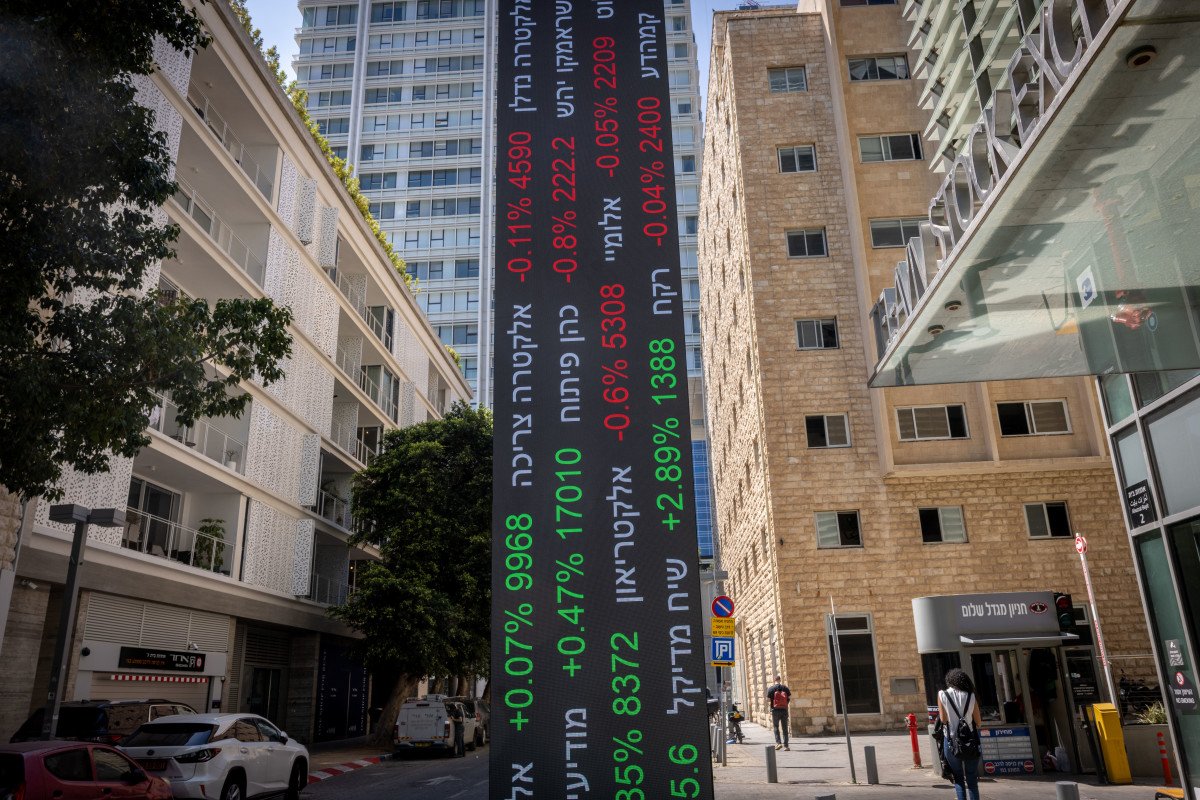
הבורסה בתל אביב ננעלת היום (ראשון) במגמה חיובית עם מדד תל אביב 35 שנצבע ירוק ועלה 0.6%, ומדד ת"א 125 שטיפס ב-0.42%. את הירידה הבולטת ביותר רשמה חברת הבניה אאורה שצללה בכשישה אחוזים, ואת העלייה הבולטת ביותר רשמה חברת ישרוטל שטיפסה בכשישה אחוזים.
שני דוחות כספיים שפורסמו היום מדגימים את המתח שבין גידול בהכנסות לבין שחיקה ברווחיות. שטראוס גרופ הציגה קפיצה דו־ספרתית במחזור המכירות ל־3.07 מיליארד שקל ברבעון השני, בעיקר בזכות פעילות הקפה הבינלאומית, אך בשורה התחתונה הרווח הנקי נשחק ל־80 מיליון שקל בלבד – ירידה של 2% ברבעון ו־37% בחציון – בשל עלייה בהוצאות המימון והמס.

פרויקט אאורה בגבעתיים. הפניקס תשקיע מאות מיליונים בפרוייקטים (צילום: סטודיו 84)
ישראייר גרופ, מצידה, רשמה מחזור שיא של 137 מיליון דולר ועלייה חדה במספר הנוסעים, אך מבצע "כלביא" לצד הוצאות מימון והשקעות כבדות דחפו אותה להפסד נקי של 10.4 מיליון דולר, לעומת רווח בשנה שעברה. שני המקרים משקפים היטב את האתגר של חברות הצומחות בהכנסות בקצב מהיר אך מתקשות לתרגם זאת לשורת רווח, בין אם בשל תנודתיות חיצונית ובין אם בגלל עלויות פנימיות כבדות.
המגמה החיובית של היום מגיעה בהמשך למגמה בה נסגרה הבורסה בשבוע שעבר, עם מדד תל אביב 35 שעלה ב־1.06%, ומדד תל אביב 125 שטיפס ב־1.05% – כשמדד הביטוח זינק ב־7.5% וקיזז את הירידות במדדי הבנקים והנדל"ן, שירדו ב־0.5% וב־0.1% בהתאמה.
ומה קרה מעבר לים? בארצות הברית השווקים נצבעו בירוק בשבוע שעבר, עם עליות מתונות בשניים מתוך שלושת המדדים המרכזיים: מדד S&P 500 עלה ב־0.27%, מדד דאו ג׳ונס התחזק ב־1.53%, ואילו הנאסד״ק דווקא ירד ב־0.58%. השקל, בתורו, נחלש מול הדולר, ועמד ביום חמישי האחרון על 3.419 – ירידה של 0.99% מיום חמישי שלפניו.
השוק האירופי נסחר גם הוא במגמה חיובית בשבוע החולף: מדד EURO STOXX 50 הכלל־אירופאי עלה ב־0.73%, מדד FTSE 100 הבריטי זינק ב־2.00%, מדד CAC 40 הצרפתי עלה ב־0.58%, ומדד DAX הגרמני כמעט לא זז – עם עלייה מזערית של 0.02%. לעומת זאת, מדד ניקיי היפני נחלש ב־1.72% במהלך השבוע. בגזרת המט"ח, השקל נחלש מול כל המטבעות המרכזיים: ב־0.66% מול האירו, ב־0.09% מול הליש"ט, וב־0.10% מול הין היפני.
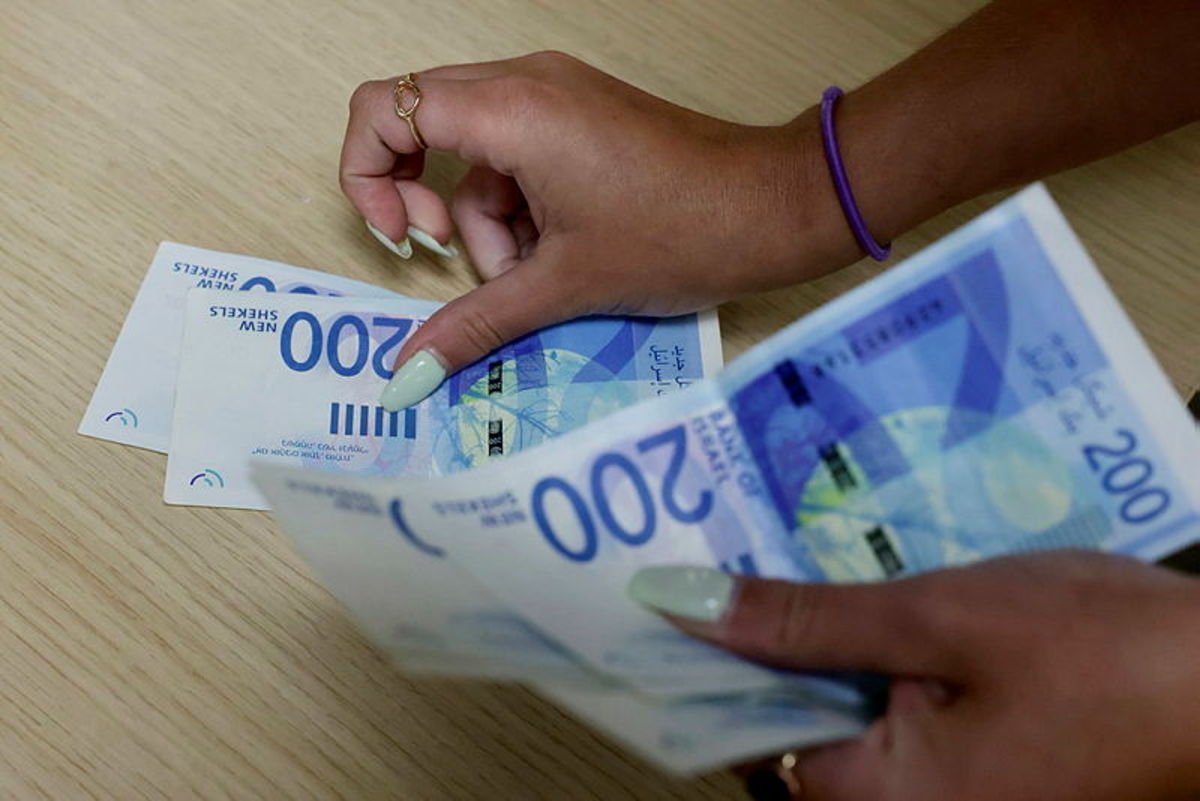
אחרי שבמהלך שעות הבוקר (8:00–12:00) נרשמה עלייה של 5.3% בהוצאות בכרטיסי אשראי לעומת השבוע שעבר, היקף עסקאות כולל של 467.38 מיליון שקל, לעומת 443.56 מיליון שקל ביום שלישי הקודם, חברת שב״א מפרסמת נתונים עדכניים שמהם עולה תמונה הפוכה בדיוק.
נתוני שב״א לשעות 8:00–17:00 מצביעים על ירידה של 2.4% בהוצאות לעומת השבוע שעבר: היקף עסקאות של 1.147 מיליארד שקל, ירידה של יותר מ־33 מיליון שקל ביחס ל־1.171 מיליארד שקל שנרשמו ביום שלישי שעבר.
חסימת כבישים 1 ו-6 ביום העצירה השני (צילום :סיימון, Simon)
כאמור, מדובר בהיפוך מגמה לעומת הנתונים מהצהריים, שהנתונים שפורסמו אז עוררו את התחושה שהמחאה לא פוגעת בצריכה, ואף מעודדת אותה במידה מסוימת. כעת ניתן לשער שלא היה מדובר בגל קניות חריג, אלא רק בהקדמה של קניות מהצהריים והערב של צרכנים בגלל ההפגנות והשיבושים.
אפשרויות חדשות לעריכת תמונות – ובחינם: אפליקציית הבינה המלאכותית ג׳מיני של גוגל מוסיפה אפשרויות עריכה מתקדמות לתמונות. בין היתר אפשר עתה לשנות לדמויות תלבושות ורקעים וגם לאחד דמויות מתמונות שונות לתמונה אחת מבלי שהפנים משתנות כפי שמתרחש במודלי בינה מלאכותית.
בגוגל מסבירים כי אחת הבעיות בעריכת תמונות באמצעות בינה מלאכותית היא שחזרות לא עקביות של דמויות, תופעה שעלולה לגרום לכך שהתמונה הסופית לא תיראה טבעית. החידוש בג׳מיני מבקש לתת מענה לנושא הזה, כך שגם אם מוסיפים אלמנטים חדשים, הדמות המקורית נותרת זהה במראה ובמאפיינים.
באמצעות הכלי החדש ניתן להעלות תמונה קיימת ולבקש לבצע בה שינוי, החל מהחלפת רקע ועד הוספת אביזרים או פרטי לבוש. בנוסף, ניתן לשלב מספר תמונות שונות ליצירת סצנה אחת, לדוגמה חיבור תמונה של אדם עם תמונה של חיית מחמד כך שייראו יחד באותה סיטואציה.

שתי תמונות שונות משתלבות לאחת. העדכון החדש (צילום: גוגל)
יכולת נוספת היא עריכה רב־שלבית: משתמש יכול להתחיל בתמונה של חדר ריק, לשנות את צבע הקירות, להוסיף רהיטים, ובהמשך להמשיך לערוך חלקים נוספים באותה סצנה.
האפליקציה מציעה גם אפשרות לשילוב עיצובים וסגנונות: לדוגמה שימוש במרקם של פרח ליצירת פריט לבוש, או החלת דוגמה מתמונה אחת על אובייקט בתמונה אחרת. מעבר לעריכה הסטטית, ניתן להעלות מחדש את התמונה שעברה שינוי ולבקש מג׳מיני להפוך אותה לסרטון קצר, כך שהתוצאה תהפוך דינמית.
העדכון הנוכחי מצטרף לכלי העריכה שהושקו באפליקציה מוקדם יותר השנה. בגוגל מציינים כי הפיתוח נשען על משוב שהתקבל ממשתמשים, במטרה לשפר את חוויית העריכה ולפשט את התהליך כך שלא ידרוש ידע מקצועי מוקדם.
ג׳מיני ממשיכה בכך להתחרות באפליקציות עריכה פופולריות אחרות, כשהיתרון המשמעותי הוא שילוב טכנולוגיות בינה מלאכותית מתקדמות בממשק פשוט לשימוש, עם אופציות רבות לעריכת התמונה, ללא עיוות או שינוי של פני הדמויות.