The Israel Tax Authority (ITA) has considerably expanded the information it wants from Israeli residents about shareholdings in foreign companies and partnerships on Form 150. All this is pursuant to an announcement on December 17, 2024, with apparently no need for approval from the Knesset.
Form 150 must be attached to annual tax returns filed from the beginning of 2025 onward even if they relate to earlier years. The aim is to find out more about offshore and onshore companies. Non-reporting means a valid tax return has not been filed.
The new Form 150 has 49 questions and 29 detailed footnotes. It is everything a form shouldn’t be – illegible tiny print, full of jargon, and unclear about what is needed.
Here is a review of what Israeli residents are asked to report on Form 150, which now requires details of entire groups of foreign companies.
Calculating taxes (credit: INGIMAGE)
Who must file Form 150?
Firstly, anyone who held any rights directly or indirectly any time in the year in a foreign resident entity, incorporated or not. In the case of a publicly traded foreign entity, only if the taxpayer is a 10%-or-more major shareholder.
Secondly, lower-tier subsidiaries that are more than 50% controlled by the upper entity.
Thirdly, any lower-tier entity where the taxpayer is a 10%-or-more shareholder.
Fourthly, if the ITA demands Form 150.
The old Form 150 was required from 10%-or-more shareholders, generally at the year-end. A 0.1% shareholder was off the hook, but not anymore.
Advertisement
What are the main things reportable in Form 150?
Section A requires basic details about each foreign entity, its activity, where it resides, are it is fiscally transparent, i.e., the owners are taxed.
Stay updated with the latest news!
Subscribe to The Jerusalem Post Newsletter
Section B requires control percentages at the year-end and highest in the year.
Section C1 requires directors holding 25% or more of the entity to give details of tax reporting abroad.
Section C2 requires details and figures of passive controlled foreign companies (CFCs – mainly passive, 40%-50% or more Israeli residents’ control), including the proportion of revenues and profits that are taxable.
Section C3 requires details and figures of closely held foreign professional companies that are 75% or more controlled by Israeli resident shareholders, and 50% or more are Israeli resident shareholders who engage in a “special profession.”
'Special professions'
Form 150 filers are expected to know that a “special profession” is any of the following host of activities:
Security, architect, art and artistes, including works of art, artistic production, drama, singing, entertaining, astrology, graphology, audit, quality control, modeling, teaching, instruction, training, lecturing, engineering, veterinary, computer hardware production, computer hardware operation, computer hardware treatment, computer programming, investigations, flight, sailing, and representing a special professional.
Statistics, sport, journalism and editing, publicity and public relations, lawyer, patent attorney, barrister, photography, accountant.
Medicine, including psychology, physiotherapy, dentist, para-medicine, alternative medicine, deficiency treatment. religious services, appraisal, agency, translation.
Media/communication, production, editing.
Is the new Form 150 effective?
No way. New “trapped profits” legislation imposes tax on the profits of many closely held companies (with five or fewer shareholders) that engage in any “labor-intensive” activity, which is almost anything nonindustrial or hi-tech.
But Form 150 requires “special profession” data. Form 150 could have been simplified by requiring “labor intensive activity” data.
Typical Example
Suppose an Israeli exporter sells into the US market via a US distribution subsidiary. If the subsidiary acts as a sales agent, Form 150 is required. But if the subsidiary buys and sells Israeli products, the special profession data is apparently not required. In both cases, trapped-profits taxation may apply unless the US-Israel tax treaty is invoked.
Form may take hours
Israel is an export-led Start-Up Nation. Form 150 adds hours of red tape to our exporters’ workload.
Filling in Form 150 is not a five-minute job; it may take several hours. Multiply that by the number of foreign companies and partnerships in a group that Israelis have an interest in, and it’s a lot of bureaucracy for exporters and investors, not only offshore exploiters.
Israelis who receive US Form K-1 may not have all the lower-level entity date the ITA demands on Form 150.
The ITA’s next project is to make Form 150 an online form. Hopefully, it will increase the print size for taxpayers.
Don't leave until last minute
Don’t leave the new tax Form 150 to the last minute to report foreign entities, or you won’t have enough midnight oil.
As always, consult experienced professional advisors at an early stage in specific cases.
leon@hcat.co
The writer is a certified public accountant and tax specialist at Harris Consulting & Tax
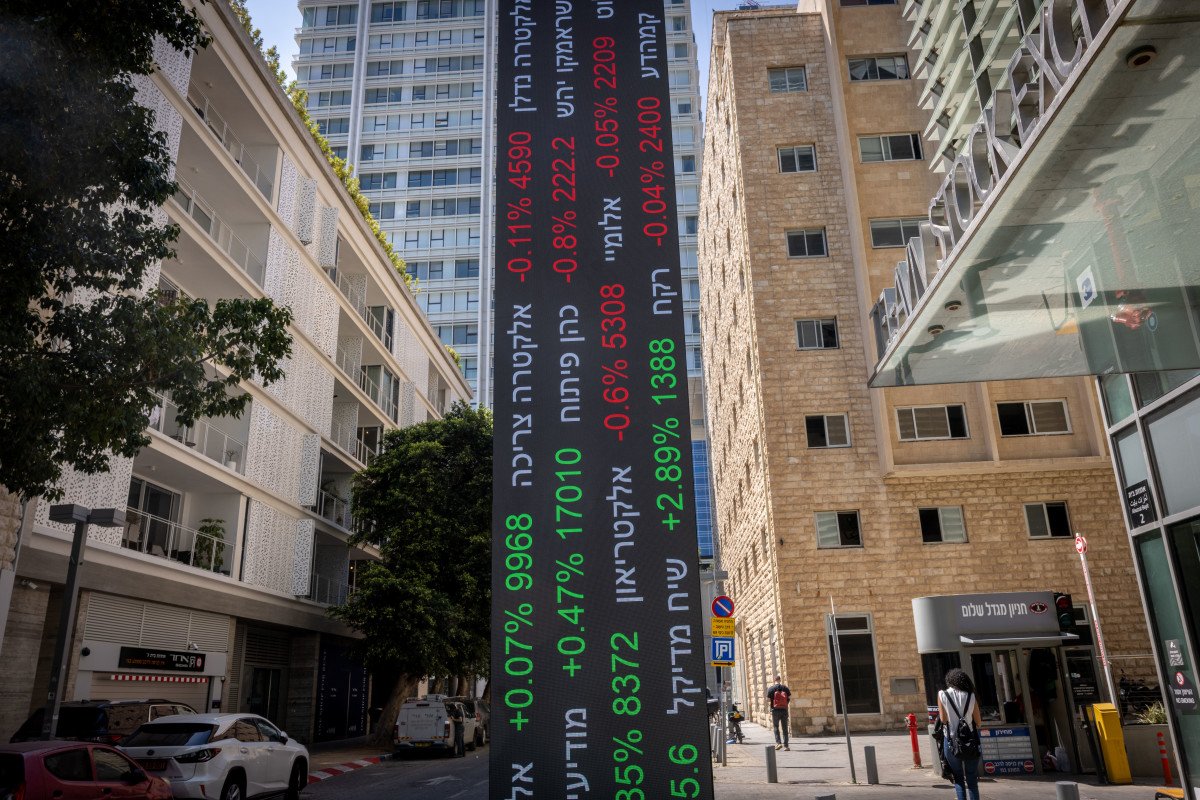
הבורסה בתל אביב ננעלת היום (ראשון) במגמה חיובית עם מדד תל אביב 35 שנצבע ירוק ועלה 0.6%, ומדד ת"א 125 שטיפס ב-0.42%. את הירידה הבולטת ביותר רשמה חברת הבניה אאורה שצללה בכשישה אחוזים, ואת העלייה הבולטת ביותר רשמה חברת ישרוטל שטיפסה בכשישה אחוזים.
שני דוחות כספיים שפורסמו היום מדגימים את המתח שבין גידול בהכנסות לבין שחיקה ברווחיות. שטראוס גרופ הציגה קפיצה דו־ספרתית במחזור המכירות ל־3.07 מיליארד שקל ברבעון השני, בעיקר בזכות פעילות הקפה הבינלאומית, אך בשורה התחתונה הרווח הנקי נשחק ל־80 מיליון שקל בלבד – ירידה של 2% ברבעון ו־37% בחציון – בשל עלייה בהוצאות המימון והמס.

פרויקט אאורה בגבעתיים. הפניקס תשקיע מאות מיליונים בפרוייקטים (צילום: סטודיו 84)
ישראייר גרופ, מצידה, רשמה מחזור שיא של 137 מיליון דולר ועלייה חדה במספר הנוסעים, אך מבצע "כלביא" לצד הוצאות מימון והשקעות כבדות דחפו אותה להפסד נקי של 10.4 מיליון דולר, לעומת רווח בשנה שעברה. שני המקרים משקפים היטב את האתגר של חברות הצומחות בהכנסות בקצב מהיר אך מתקשות לתרגם זאת לשורת רווח, בין אם בשל תנודתיות חיצונית ובין אם בגלל עלויות פנימיות כבדות.
המגמה החיובית של היום מגיעה בהמשך למגמה בה נסגרה הבורסה בשבוע שעבר, עם מדד תל אביב 35 שעלה ב־1.06%, ומדד תל אביב 125 שטיפס ב־1.05% – כשמדד הביטוח זינק ב־7.5% וקיזז את הירידות במדדי הבנקים והנדל"ן, שירדו ב־0.5% וב־0.1% בהתאמה.
ומה קרה מעבר לים? בארצות הברית השווקים נצבעו בירוק בשבוע שעבר, עם עליות מתונות בשניים מתוך שלושת המדדים המרכזיים: מדד S&P 500 עלה ב־0.27%, מדד דאו ג׳ונס התחזק ב־1.53%, ואילו הנאסד״ק דווקא ירד ב־0.58%. השקל, בתורו, נחלש מול הדולר, ועמד ביום חמישי האחרון על 3.419 – ירידה של 0.99% מיום חמישי שלפניו.
השוק האירופי נסחר גם הוא במגמה חיובית בשבוע החולף: מדד EURO STOXX 50 הכלל־אירופאי עלה ב־0.73%, מדד FTSE 100 הבריטי זינק ב־2.00%, מדד CAC 40 הצרפתי עלה ב־0.58%, ומדד DAX הגרמני כמעט לא זז – עם עלייה מזערית של 0.02%. לעומת זאת, מדד ניקיי היפני נחלש ב־1.72% במהלך השבוע. בגזרת המט"ח, השקל נחלש מול כל המטבעות המרכזיים: ב־0.66% מול האירו, ב־0.09% מול הליש"ט, וב־0.10% מול הין היפני.
אחרי שבמהלך שעות הבוקר (8:00–12:00) נרשמה עלייה של 5.3% בהוצאות בכרטיסי אשראי לעומת השבוע שעבר, היקף עסקאות כולל של 467.38 מיליון שקל, לעומת 443.56 מיליון שקל ביום שלישי הקודם, חברת שב״א מפרסמת נתונים עדכניים שמהם עולה תמונה הפוכה בדיוק.
נתוני שב״א לשעות 8:00–17:00 מצביעים על ירידה של 2.4% בהוצאות לעומת השבוע שעבר: היקף עסקאות של 1.147 מיליארד שקל, ירידה של יותר מ־33 מיליון שקל ביחס ל־1.171 מיליארד שקל שנרשמו ביום שלישי שעבר.
חסימת כבישים 1 ו-6 ביום העצירה השני (צילום :סיימון, Simon)
כאמור, מדובר בהיפוך מגמה לעומת הנתונים מהצהריים, שהנתונים שפורסמו אז עוררו את התחושה שהמחאה לא פוגעת בצריכה, ואף מעודדת אותה במידה מסוימת. כעת ניתן לשער שלא היה מדובר בגל קניות חריג, אלא רק בהקדמה של קניות מהצהריים והערב של צרכנים בגלל ההפגנות והשיבושים.
אפשרויות חדשות לעריכת תמונות – ובחינם: אפליקציית הבינה המלאכותית ג׳מיני של גוגל מוסיפה אפשרויות עריכה מתקדמות לתמונות. בין היתר אפשר עתה לשנות לדמויות תלבושות ורקעים וגם לאחד דמויות מתמונות שונות לתמונה אחת מבלי שהפנים משתנות כפי שמתרחש במודלי בינה מלאכותית.
בגוגל מסבירים כי אחת הבעיות בעריכת תמונות באמצעות בינה מלאכותית היא שחזרות לא עקביות של דמויות, תופעה שעלולה לגרום לכך שהתמונה הסופית לא תיראה טבעית. החידוש בג׳מיני מבקש לתת מענה לנושא הזה, כך שגם אם מוסיפים אלמנטים חדשים, הדמות המקורית נותרת זהה במראה ובמאפיינים.
באמצעות הכלי החדש ניתן להעלות תמונה קיימת ולבקש לבצע בה שינוי, החל מהחלפת רקע ועד הוספת אביזרים או פרטי לבוש. בנוסף, ניתן לשלב מספר תמונות שונות ליצירת סצנה אחת, לדוגמה חיבור תמונה של אדם עם תמונה של חיית מחמד כך שייראו יחד באותה סיטואציה.

שתי תמונות שונות משתלבות לאחת. העדכון החדש (צילום: גוגל)
יכולת נוספת היא עריכה רב־שלבית: משתמש יכול להתחיל בתמונה של חדר ריק, לשנות את צבע הקירות, להוסיף רהיטים, ובהמשך להמשיך לערוך חלקים נוספים באותה סצנה.
האפליקציה מציעה גם אפשרות לשילוב עיצובים וסגנונות: לדוגמה שימוש במרקם של פרח ליצירת פריט לבוש, או החלת דוגמה מתמונה אחת על אובייקט בתמונה אחרת. מעבר לעריכה הסטטית, ניתן להעלות מחדש את התמונה שעברה שינוי ולבקש מג׳מיני להפוך אותה לסרטון קצר, כך שהתוצאה תהפוך דינמית.
העדכון הנוכחי מצטרף לכלי העריכה שהושקו באפליקציה מוקדם יותר השנה. בגוגל מציינים כי הפיתוח נשען על משוב שהתקבל ממשתמשים, במטרה לשפר את חוויית העריכה ולפשט את התהליך כך שלא ידרוש ידע מקצועי מוקדם.
ג׳מיני ממשיכה בכך להתחרות באפליקציות עריכה פופולריות אחרות, כשהיתרון המשמעותי הוא שילוב טכנולוגיות בינה מלאכותית מתקדמות בממשק פשוט לשימוש, עם אופציות רבות לעריכת התמונה, ללא עיוות או שינוי של פני הדמויות.