I’ve been learning Talmud tractate Sotah in an effort to finish it by my father’s first yahrzeit. In this week’s Torah portion of Bo, we finish up the story of the 10 plagues.
According to the Midrash, one of the principles that we learn from the plagues is “middah k’negged middah,” measure for measure, where the punishment reflects the crime.
This principle is evident in the first plague and continues until the Egyptians’ ultimate demise at the splitting of the sea – in what can be called the final plague. Why are the Egyptians drowned? It is the just punishment for drowning Israelite infants in the Nile.
The Talmud (Sotah 11a) connects this to Yitro’s declaration in Exodus 18: “Now I know that Hashem is greater than all the gods, for the very matter in which they schemed was turned against them.”
In discussing the process leading up to drinking of the bitter waters of the sotah ( a woman suspected of adultery), the Talmud says: “And we found this with regard to a sotah, that with the measure with which she measured, she is measured with it: She stood by the opening of her house to exhibit herself to her paramour, therefore a priest has her stand at the Gate of Nicanor and exhibits her disgrace to all; she spread beautiful shawls on her head for her paramour, therefore a priest removes her kerchief from her head and places it under her feet, etc.”
The Talmud then lists a long list of people who were punished measure for measure for their bad deeds. It also emphasizes that just as punishments are delivered measure for measure, so, too, are rewards—on an even greater scale.
Calculating taxes (credit: INGIMAGE)
Miriam, for instance, waited briefly by the water to ensure her brother’s safety, intervening to have him nursed by his mother before he was taken to the palace. In return, the entire Jewish people waited a full week for Miriam when she was afflicted with tzara’at after speaking ill of Moshe.
Retirement planning
FORGIVE ME for the segue, but the same thing applies to retirement planning. Recently, I spoke with a lady who, a few years ago, received a large inheritance. We spoke about saving the majority of the money because she didn’t have much in terms of a pension. She ended up blowing through the money by traveling, helping her children buy apartments, etc.
Recently, she again inherited a fair amount of money from a cousin she was close to who had no children. She is now in her mid-60s and is about to retire, and she totally panicked that she will run out of money. The money she inherited probably isn’t enough to generate the kind of money she will need to supplement her small pension and National Insurance Institute (NII) income.
Advertisement
I know I sound like a broken record, but retirement is one of life’s most significant milestones, and your financial comfort during those years depends largely on what you do today. The simple truth is that what you put into retirement savings is what you get out. If you don’t save, you shouldn’t expect a secure retirement.
Stay updated with the latest news!
Subscribe to The Jerusalem Post Newsletter
Many people mistakenly assume that they can rely solely on Social Security, NII, pensions, or family support, but these are often not enough to maintain a comfortable lifestyle. Proper planning and disciplined saving are essential for financial security in your later years.
One of the most common mistakes people make is putting off saving for retirement. Whether due to financial constraints, lack of awareness, or the belief that there’s plenty of time, delaying retirement savings can have serious consequences. The longer you wait, the more you will need to save each month to catch up, if that’s even possible, and the harder it becomes to accumulate enough wealth to retire comfortably.
Especially for young people, one of the biggest advantages of starting to save early for retirement is the power of compound interest. Over time, your earnings start generating their own earnings, compounding into a much larger sum than what you initially invested.
For example, if you start saving $500 a month at age 25 and continue until you retire at 65, assuming an average annual return of 7%, you could accumulate more than $1.2 million. If you wait until age 35 to start saving the same amount, your retirement savings could be significantly lower, around $600,000.
The earlier you start, the more time your money has to grow, making saving for retirement a much easier and more rewarding process.
If you haven’t started saving yet, the best time to begin is now. Even small contributions add up over time and are better than doing nothing at all. The key is to develop a consistent savings habit and gradually increase your contributions as your income grows.
The bottom line is simple: If you don’t save for retirement, you can’t expect a secure future. What you put into retirement savings today determines what you will get out when you retire.
By starting early, taking advantage of compound interest, leveraging employer benefits, and creating a solid savings strategy, you can build the financial security needed for a comfortable and worry-free retirement. Your future self will thank you for the steps you take today.
The information contained in this article reflects the opinion of the author and not necessarily the opinion of Portfolio Resources Group, Inc. or its affiliates.
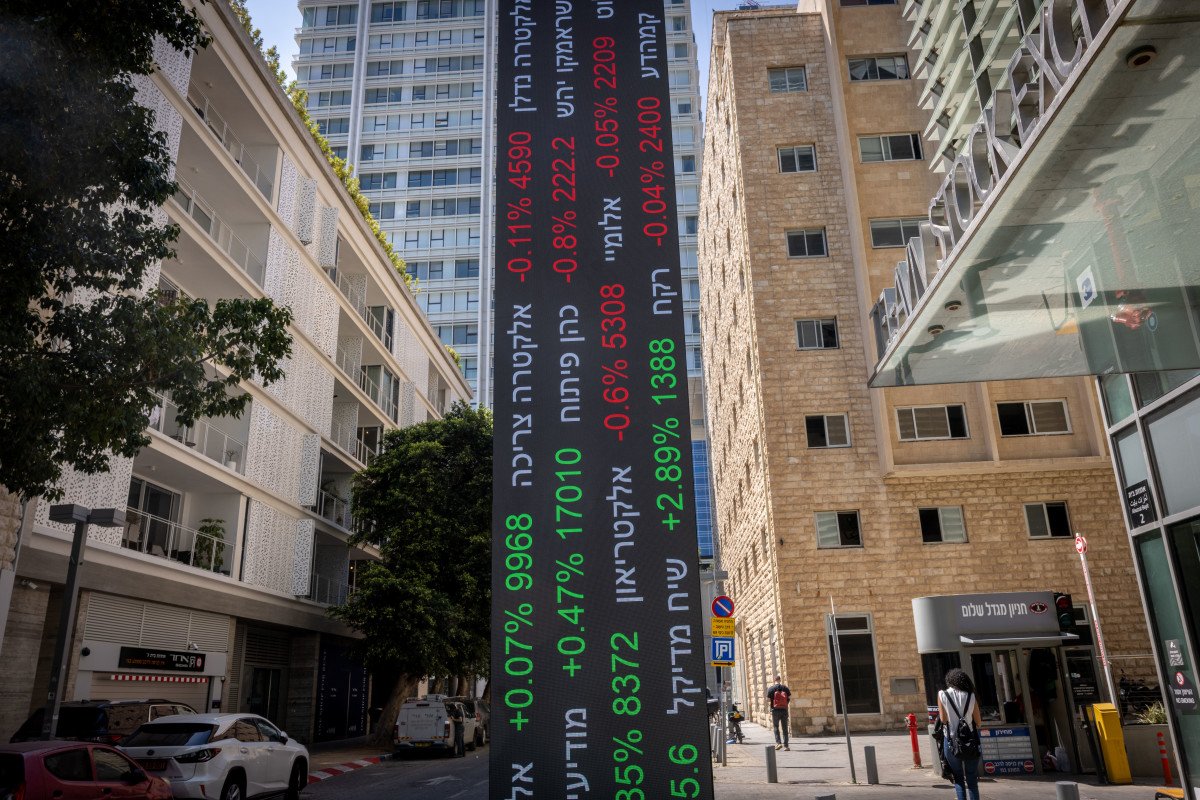
הבורסה בתל אביב ננעלת היום (ראשון) במגמה חיובית עם מדד תל אביב 35 שנצבע ירוק ועלה 0.6%, ומדד ת"א 125 שטיפס ב-0.42%. את הירידה הבולטת ביותר רשמה חברת הבניה אאורה שצללה בכשישה אחוזים, ואת העלייה הבולטת ביותר רשמה חברת ישרוטל שטיפסה בכשישה אחוזים.
שני דוחות כספיים שפורסמו היום מדגימים את המתח שבין גידול בהכנסות לבין שחיקה ברווחיות. שטראוס גרופ הציגה קפיצה דו־ספרתית במחזור המכירות ל־3.07 מיליארד שקל ברבעון השני, בעיקר בזכות פעילות הקפה הבינלאומית, אך בשורה התחתונה הרווח הנקי נשחק ל־80 מיליון שקל בלבד – ירידה של 2% ברבעון ו־37% בחציון – בשל עלייה בהוצאות המימון והמס.

פרויקט אאורה בגבעתיים. הפניקס תשקיע מאות מיליונים בפרוייקטים (צילום: סטודיו 84)
ישראייר גרופ, מצידה, רשמה מחזור שיא של 137 מיליון דולר ועלייה חדה במספר הנוסעים, אך מבצע "כלביא" לצד הוצאות מימון והשקעות כבדות דחפו אותה להפסד נקי של 10.4 מיליון דולר, לעומת רווח בשנה שעברה. שני המקרים משקפים היטב את האתגר של חברות הצומחות בהכנסות בקצב מהיר אך מתקשות לתרגם זאת לשורת רווח, בין אם בשל תנודתיות חיצונית ובין אם בגלל עלויות פנימיות כבדות.
המגמה החיובית של היום מגיעה בהמשך למגמה בה נסגרה הבורסה בשבוע שעבר, עם מדד תל אביב 35 שעלה ב־1.06%, ומדד תל אביב 125 שטיפס ב־1.05% – כשמדד הביטוח זינק ב־7.5% וקיזז את הירידות במדדי הבנקים והנדל"ן, שירדו ב־0.5% וב־0.1% בהתאמה.
ומה קרה מעבר לים? בארצות הברית השווקים נצבעו בירוק בשבוע שעבר, עם עליות מתונות בשניים מתוך שלושת המדדים המרכזיים: מדד S&P 500 עלה ב־0.27%, מדד דאו ג׳ונס התחזק ב־1.53%, ואילו הנאסד״ק דווקא ירד ב־0.58%. השקל, בתורו, נחלש מול הדולר, ועמד ביום חמישי האחרון על 3.419 – ירידה של 0.99% מיום חמישי שלפניו.
השוק האירופי נסחר גם הוא במגמה חיובית בשבוע החולף: מדד EURO STOXX 50 הכלל־אירופאי עלה ב־0.73%, מדד FTSE 100 הבריטי זינק ב־2.00%, מדד CAC 40 הצרפתי עלה ב־0.58%, ומדד DAX הגרמני כמעט לא זז – עם עלייה מזערית של 0.02%. לעומת זאת, מדד ניקיי היפני נחלש ב־1.72% במהלך השבוע. בגזרת המט"ח, השקל נחלש מול כל המטבעות המרכזיים: ב־0.66% מול האירו, ב־0.09% מול הליש"ט, וב־0.10% מול הין היפני.
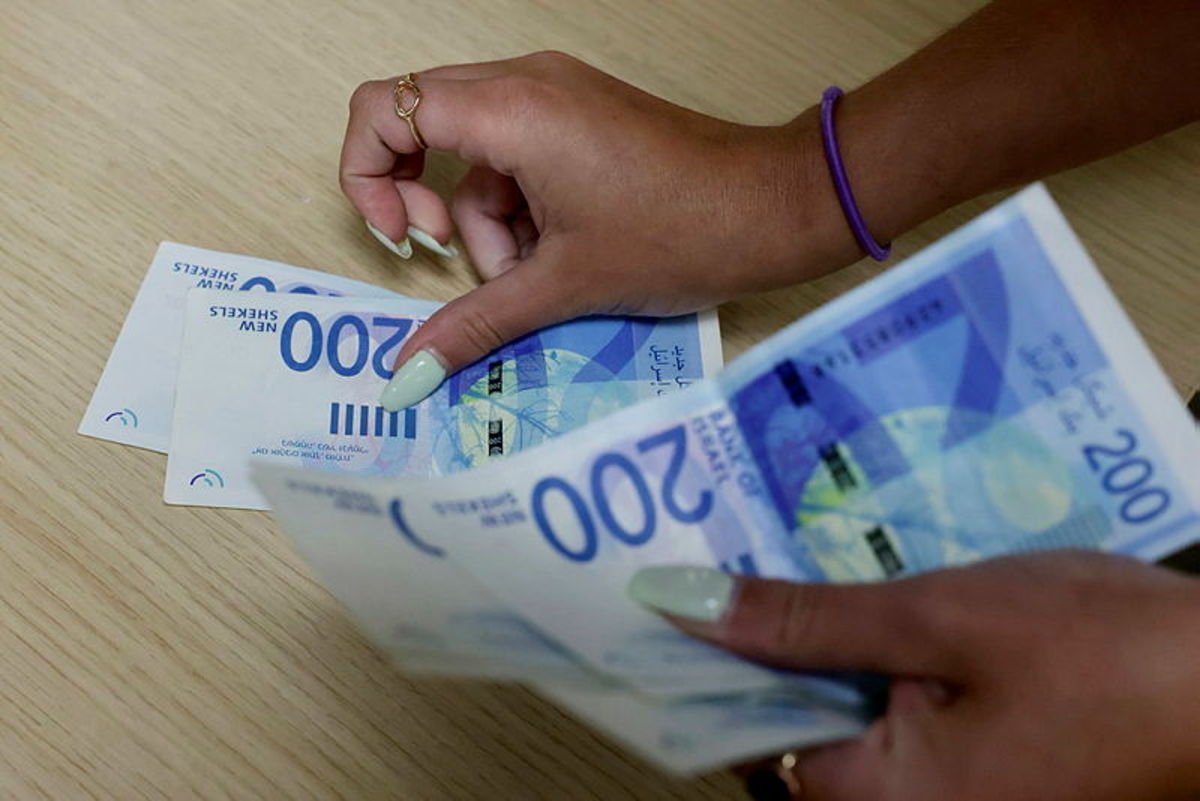
אחרי שבמהלך שעות הבוקר (8:00–12:00) נרשמה עלייה של 5.3% בהוצאות בכרטיסי אשראי לעומת השבוע שעבר, היקף עסקאות כולל של 467.38 מיליון שקל, לעומת 443.56 מיליון שקל ביום שלישי הקודם, חברת שב״א מפרסמת נתונים עדכניים שמהם עולה תמונה הפוכה בדיוק.
נתוני שב״א לשעות 8:00–17:00 מצביעים על ירידה של 2.4% בהוצאות לעומת השבוע שעבר: היקף עסקאות של 1.147 מיליארד שקל, ירידה של יותר מ־33 מיליון שקל ביחס ל־1.171 מיליארד שקל שנרשמו ביום שלישי שעבר.
חסימת כבישים 1 ו-6 ביום העצירה השני (צילום :סיימון, Simon)
כאמור, מדובר בהיפוך מגמה לעומת הנתונים מהצהריים, שהנתונים שפורסמו אז עוררו את התחושה שהמחאה לא פוגעת בצריכה, ואף מעודדת אותה במידה מסוימת. כעת ניתן לשער שלא היה מדובר בגל קניות חריג, אלא רק בהקדמה של קניות מהצהריים והערב של צרכנים בגלל ההפגנות והשיבושים.
אפשרויות חדשות לעריכת תמונות – ובחינם: אפליקציית הבינה המלאכותית ג׳מיני של גוגל מוסיפה אפשרויות עריכה מתקדמות לתמונות. בין היתר אפשר עתה לשנות לדמויות תלבושות ורקעים וגם לאחד דמויות מתמונות שונות לתמונה אחת מבלי שהפנים משתנות כפי שמתרחש במודלי בינה מלאכותית.
בגוגל מסבירים כי אחת הבעיות בעריכת תמונות באמצעות בינה מלאכותית היא שחזרות לא עקביות של דמויות, תופעה שעלולה לגרום לכך שהתמונה הסופית לא תיראה טבעית. החידוש בג׳מיני מבקש לתת מענה לנושא הזה, כך שגם אם מוסיפים אלמנטים חדשים, הדמות המקורית נותרת זהה במראה ובמאפיינים.
באמצעות הכלי החדש ניתן להעלות תמונה קיימת ולבקש לבצע בה שינוי, החל מהחלפת רקע ועד הוספת אביזרים או פרטי לבוש. בנוסף, ניתן לשלב מספר תמונות שונות ליצירת סצנה אחת, לדוגמה חיבור תמונה של אדם עם תמונה של חיית מחמד כך שייראו יחד באותה סיטואציה.

שתי תמונות שונות משתלבות לאחת. העדכון החדש (צילום: גוגל)
יכולת נוספת היא עריכה רב־שלבית: משתמש יכול להתחיל בתמונה של חדר ריק, לשנות את צבע הקירות, להוסיף רהיטים, ובהמשך להמשיך לערוך חלקים נוספים באותה סצנה.
האפליקציה מציעה גם אפשרות לשילוב עיצובים וסגנונות: לדוגמה שימוש במרקם של פרח ליצירת פריט לבוש, או החלת דוגמה מתמונה אחת על אובייקט בתמונה אחרת. מעבר לעריכה הסטטית, ניתן להעלות מחדש את התמונה שעברה שינוי ולבקש מג׳מיני להפוך אותה לסרטון קצר, כך שהתוצאה תהפוך דינמית.
העדכון הנוכחי מצטרף לכלי העריכה שהושקו באפליקציה מוקדם יותר השנה. בגוגל מציינים כי הפיתוח נשען על משוב שהתקבל ממשתמשים, במטרה לשפר את חוויית העריכה ולפשט את התהליך כך שלא ידרוש ידע מקצועי מוקדם.
ג׳מיני ממשיכה בכך להתחרות באפליקציות עריכה פופולריות אחרות, כשהיתרון המשמעותי הוא שילוב טכנולוגיות בינה מלאכותית מתקדמות בממשק פשוט לשימוש, עם אופציות רבות לעריכת התמונה, ללא עיוות או שינוי של פני הדמויות.