Connect with us

כלכלה

Israel will join list of nations suffering under Donald Trump's tariffs

Published

on


Last Thursday and Friday were among the worst days ever on Wall Street. The last time that the US stock market fell so sharply, by more than 5%, was in March 2020, in the panic over the outbreak of the Covid 19 pandemic. Those two days last week were the fifth worst in the history of the S&P 500.

In the wake of President Donald Trump’s imposition of tariffs of between 10% and 54% on almost the entire world, two of the four main stock indices in New York, Nasdaq and the Russell 2000, are in bear market territory, that is to say, they are 20% below their last peaks. The S&P 500 is only 3% away from that category.

The tariffs themselves are not the cause of the falls on the stock market. It that were the case, we would see different responses by companies that will be impacted by the tariffs and those that will not. The broad negative reaction of the market, across all sectors, indicates a much worse fear: a recession in the US at best; a global recession at worst. Stagflation in the nightmare scenario.

Who is predicting a recession?

Until two months ago, no-one imagined that that question would arise. But if on Thursday, after President Trump’s presentation of the tariffs policy, the market feared a recession, after the speech by US Federal Reserve chairman Jerome Powell at the Society for Advancing Business Editing and Writing Annual Conference in Arlington, Virginia, it trembled. “Our obligation is to keep longer-term inflation expectations well anchored and to make certain that a one-time increase in the price level does not become an ongoing inflation problem,” Powell said.

Speculation began on the market that Trump’s measures were designed to force the Federal Reserve to cut interest rates, but Powell implicitly rebuffed that possibility. “We will continue to carefully monitor the incoming data, the evolving outlook, and the balance of risks. We are well positioned to wait for greater clarity before considering any adjustments to our policy stance. It is too soon to say what will be the appropriate path for monetary policy,” he said.

Nevertheless, the assessment on the market is that the Federal Reserve will have to reduce its interest rate three and perhaps even four times over the coming year. In the choice between high inflation and a recession, central banks generally choose to give priority to the latter danger.

US President Donald Trump meets Benjamin Netanyahu in Washington DC, April 7, 2025 (credit: LEAH MILLIS/REUTERS)

In the past few days, the major banks have raised their assessments of the probability of a recession. JP Morgan now sees a 60% chance of a recession, Goldman Sachs talks about 35%, as does rating agency S&P Global. HSBC puts the probability at 40%.

How will a recession in the US affect Israel?

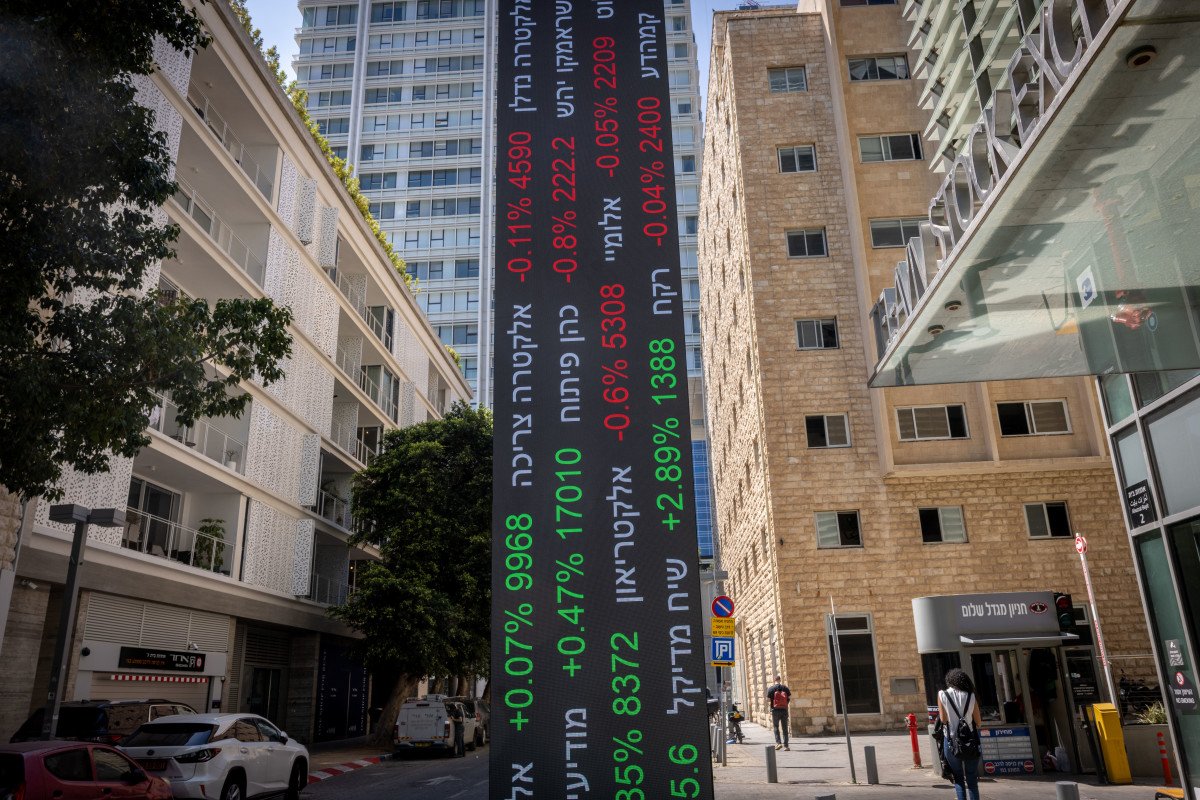
The trade war reached Tel Aviv as well yesterday, but the falls on the local stock market were less steep than elsewhere. While stock indices in the US and Europe fell by about 10% in two days, the Tel Aviv 35 Index fell by just under 4% yesterday and by 0.62% on Thursday. All the same, if the world’s largest economy goes into recession, the shock waves will reach Israel.

Bank Hapoalim chief markets strategist Modi Shafrir warns that “even if Israel signs a new trade agreement with the US this week that substantially moderates the extent of the tariffs imposed on it, local economic growth will be hit as the global trade war worsens.”

Advertisement

Leader Capital Markets chief economist Jonathan Katz adds on the positive side: “Israel’s good fortune is that the economy’s main engine is exports of technology services, which are expected to be exempt from tariffs. A global slowdown and surplus supply of commodities will reduce import prices in Israel and moderate inflation.”


Stay updated with the latest news!

Subscribe to The Jerusalem Post Newsletter


Katz adds, however, that “There will be a negative wealth effect on the consumer in Israel, and in the world in general, because of the sharp falls on the capital market,” that is, Israeli consumers will feel less wealthy, and will therefore consume less.

Meitav chief economist Alex Zabezhinsky also fears the negative wealth effect, which he says will weaken consumer demand in Israel in the coming year. He has cut his GDP growth forecast for Israel from 4% to 3.5%. “The Israeli economy is likely to be hurt not by the direct effect of the tariffs, but in many indirect ways. A hit to economic growth in Israel will affect demand through a weakening of the labor market, a fall in value of the public’s savings, and a worsening of general sentiment. The expected decline in world trade will hurt Israeli companies… Over the years, the performance of the Nasdaq index has been one of the most important indicators of growth in Israel. The sharp fall sin technology stocks in response to the tariffs is liable to lead to lower investment in the sector, particularly in Israel,” Zabezhinsky says.

Zabezhinsky estimates that the local market will outperform overseas markets in the near term, largely because of the expectation of a transfer of some savings from S&P 500 tracks to general tracks. “That will boost demand for the shekel and for local securities,” he says. 


Source link

Continue Reading
Click to comment

Leave a Reply

האימייל לא יוצג באתר. שדות החובה מסומנים *

כלכלה

היום שהיה בבורסה: המדדים נצבעו ירוק

Published

on


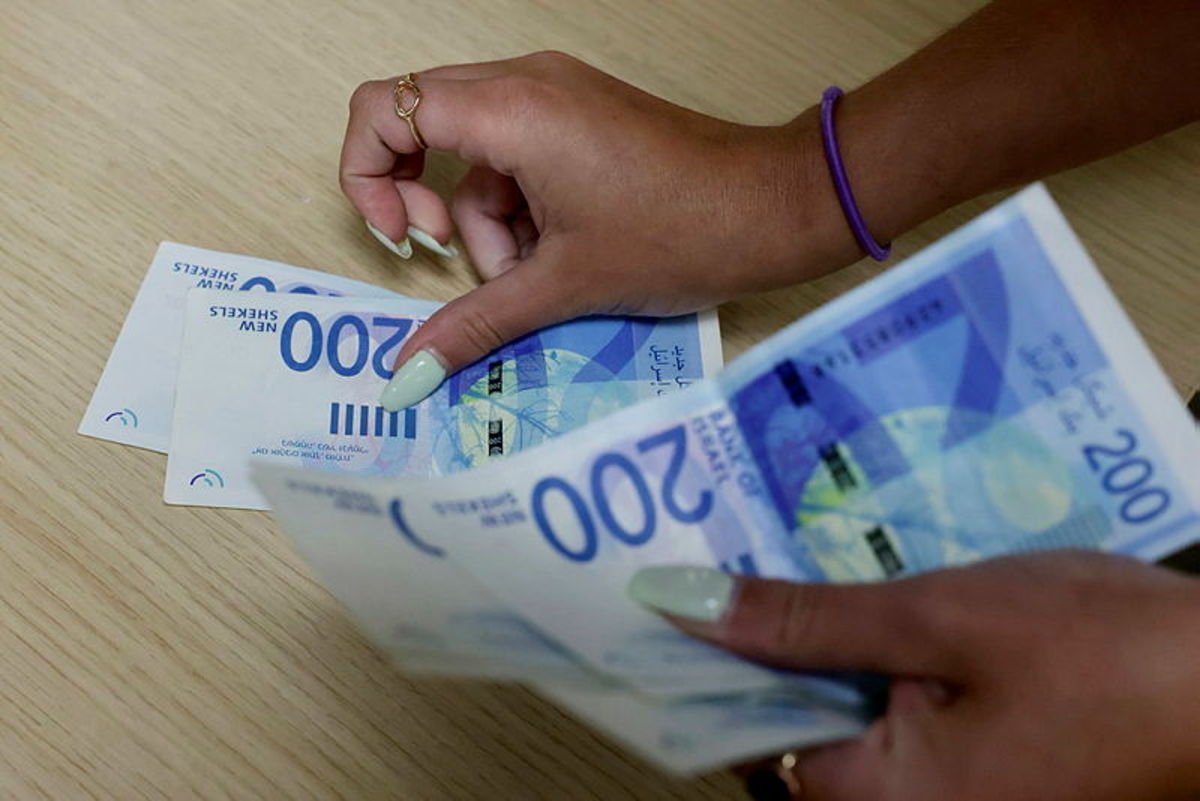
הבורסה בתל אביב ננעלת היום (ראשון) במגמה חיובית עם מדד תל אביב 35 שנצבע ירוק ועלה 0.6%, ומדד ת"א 125 שטיפס ב-0.42%. את הירידה הבולטת ביותר רשמה חברת הבניה אאורה שצללה בכשישה אחוזים, ואת העלייה הבולטת ביותר רשמה חברת ישרוטל שטיפסה בכשישה אחוזים.

שני דוחות כספיים שפורסמו היום מדגימים את המתח שבין גידול בהכנסות לבין שחיקה ברווחיות. שטראוס גרופ הציגה קפיצה דו־ספרתית במחזור המכירות ל־3.07 מיליארד שקל ברבעון השני, בעיקר בזכות פעילות הקפה הבינלאומית, אך בשורה התחתונה הרווח הנקי נשחק ל־80 מיליון שקל בלבד – ירידה של 2% ברבעון ו־37% בחציון – בשל עלייה בהוצאות המימון והמס. 

פרויקט אאורה בגבעתיים. הפניקס תשקיע מאות מיליונים בפרוייקטים (צילום: סטודיו 84)

ישראייר גרופ, מצידה, רשמה מחזור שיא של 137 מיליון דולר ועלייה חדה במספר הנוסעים, אך מבצע "כלביא" לצד הוצאות מימון והשקעות כבדות דחפו אותה להפסד נקי של 10.4 מיליון דולר, לעומת רווח בשנה שעברה. שני המקרים משקפים היטב את האתגר של חברות הצומחות בהכנסות בקצב מהיר אך מתקשות לתרגם זאת לשורת רווח, בין אם בשל תנודתיות חיצונית ובין אם בגלל עלויות פנימיות כבדות.

המגמה החיובית של היום מגיעה בהמשך למגמה בה נסגרה הבורסה בשבוע שעבר, עם מדד תל אביב 35 שעלה ב־1.06%, ומדד תל אביב 125 שטיפס ב־1.05% – כשמדד הביטוח זינק ב־7.5% וקיזז את הירידות במדדי הבנקים והנדל"ן, שירדו ב־0.5% וב־0.1% בהתאמה.

ומה קרה מעבר לים? בארצות הברית השווקים נצבעו בירוק בשבוע שעבר, עם עליות מתונות בשניים מתוך שלושת המדדים המרכזיים: מדד S&P 500 עלה ב־0.27%, מדד דאו ג׳ונס התחזק ב־1.53%, ואילו הנאסד״ק דווקא ירד ב־0.58%. השקל, בתורו, נחלש מול הדולר, ועמד ביום חמישי האחרון על 3.419 – ירידה של 0.99% מיום חמישי שלפניו.

השוק האירופי נסחר גם הוא במגמה חיובית בשבוע החולף: מדד EURO STOXX 50 הכלל־אירופאי עלה ב־0.73%, מדד FTSE 100 הבריטי זינק ב־2.00%, מדד CAC 40 הצרפתי עלה ב־0.58%, ומדד DAX הגרמני כמעט לא זז – עם עלייה מזערית של 0.02%. לעומת זאת, מדד ניקיי היפני נחלש ב־1.72% במהלך השבוע. בגזרת המט"ח, השקל נחלש מול כל המטבעות המרכזיים: ב־0.66% מול האירו, ב־0.09% מול הליש"ט, וב־0.10% מול הין היפני.



Source link

Continue Reading

כלכלה

יום השיבוש השני: ירידה חדה בהוצאות האשראי

Published

on


אחרי שבמהלך שעות הבוקר (8:00–12:00) נרשמה עלייה של 5.3% בהוצאות בכרטיסי אשראי לעומת השבוע שעבר, היקף עסקאות כולל של 467.38 מיליון שקל, לעומת 443.56 מיליון שקל ביום שלישי הקודם, חברת שב״א מפרסמת נתונים עדכניים שמהם עולה תמונה הפוכה בדיוק.

נתוני שב״א לשעות 8:00–17:00 מצביעים על ירידה של 2.4% בהוצאות לעומת השבוע שעבר: היקף עסקאות של 1.147 מיליארד שקל, ירידה של יותר מ־33 מיליון שקל ביחס ל־1.171 מיליארד שקל שנרשמו ביום שלישי שעבר.

חסימת כבישים 1 ו-6 ביום העצירה השני (צילום :סיימון, Simon)

כאמור, מדובר בהיפוך מגמה לעומת הנתונים מהצהריים, שהנתונים שפורסמו אז עוררו את התחושה שהמחאה לא פוגעת בצריכה, ואף מעודדת אותה במידה מסוימת. כעת ניתן לשער שלא היה מדובר בגל קניות חריג, אלא רק בהקדמה של קניות מהצהריים והערב של צרכנים בגלל ההפגנות והשיבושים.


Source link

Continue Reading

כלכלה

חידוש משמעותי באפליקציית ג׳מיני של גוגל: עריכת תמונות מתקדמת

Published

on


אפשרויות חדשות לעריכת תמונות – ובחינם: אפליקציית הבינה המלאכותית ג׳מיני של גוגל מוסיפה אפשרויות עריכה מתקדמות לתמונות. בין היתר אפשר עתה לשנות לדמויות תלבושות ורקעים וגם לאחד דמויות מתמונות שונות לתמונה אחת מבלי שהפנים משתנות כפי שמתרחש במודלי בינה מלאכותית.

בגוגל מסבירים כי אחת הבעיות בעריכת תמונות באמצעות בינה מלאכותית היא שחזרות לא עקביות של דמויות, תופעה שעלולה לגרום לכך שהתמונה הסופית לא תיראה טבעית. החידוש בג׳מיני מבקש לתת מענה לנושא הזה, כך שגם אם מוסיפים אלמנטים חדשים, הדמות המקורית נותרת זהה במראה ובמאפיינים.

באמצעות הכלי החדש ניתן להעלות תמונה קיימת ולבקש לבצע בה שינוי, החל מהחלפת רקע ועד הוספת אביזרים או פרטי לבוש. בנוסף, ניתן לשלב מספר תמונות שונות ליצירת סצנה אחת, לדוגמה חיבור תמונה של אדם עם תמונה של חיית מחמד כך שייראו יחד באותה סיטואציה.

שתי תמונות שונות משתלבות לאחת. העדכון החדש (צילום: גוגל)

יכולת נוספת היא עריכה רב־שלבית: משתמש יכול להתחיל בתמונה של חדר ריק, לשנות את צבע הקירות, להוסיף רהיטים, ובהמשך להמשיך לערוך חלקים נוספים באותה סצנה.

האפליקציה מציעה גם אפשרות לשילוב עיצובים וסגנונות: לדוגמה שימוש במרקם של פרח ליצירת פריט לבוש, או החלת דוגמה מתמונה אחת על אובייקט בתמונה אחרת. מעבר לעריכה הסטטית, ניתן להעלות מחדש את התמונה שעברה שינוי ולבקש מג׳מיני להפוך אותה לסרטון קצר, כך שהתוצאה תהפוך דינמית.

העדכון הנוכחי מצטרף לכלי העריכה שהושקו באפליקציה מוקדם יותר השנה. בגוגל מציינים כי הפיתוח נשען על משוב שהתקבל ממשתמשים, במטרה לשפר את חוויית העריכה ולפשט את התהליך כך שלא ידרוש ידע מקצועי מוקדם.

ג׳מיני ממשיכה בכך להתחרות באפליקציות עריכה פופולריות אחרות, כשהיתרון המשמעותי הוא שילוב טכנולוגיות בינה מלאכותית מתקדמות בממשק פשוט לשימוש, עם אופציות רבות לעריכת התמונה, ללא עיוות או שינוי של פני הדמויות.



Source link

Continue Reading
Advertisement

כל העדכונים