Hamilton Lane is one of the world’s top private market investing firms, and its numbers tell the story: $950+ billion in assets as of December 31; $553 million in revenue; and a net income of $140 million in 2024. Juan Delgado, the company’s co-CEO, who has been associated with the firm since 2005, asserts that the firm’s success goes far beyond the numbers.
He attributes Hamilton Lane’s achievements, in great measure, to the quality of its personnel. “We’re very focused on our people and our offices,” Delgado explains. “If you run a business in private investments like this, you tend to benefit because you have very senior people in front of your clients. We provide our clients with a great experience in the asset class.”
LIMOR BEKER, head of Hamilton Lane Israel: ‘This is the time when private markets can shine.’ (Credit: Tal Shahar)
Hamilton Lane operates 22 offices throughout North America, Europe, Asia Pacific, and the Middle East. It boasts an extensive roster of prominent investors such as large insurance companies, college endowment funds and foundations, financial institutions, wealth managers, and public retirement systems, such as the New York State Common Retirement Fund.
In addition to the proficiency of its more than 700 employees, Delgado says that a great deal of the firm’s accomplishments stems from its data-centric approach, as well as its market-leading database.
“We’ve always been very data-oriented. Data brings tech with it. You need tech to support it, gather it, and report it. We’ve been on the right side of history, advocating for transparency, advocating for technology, and making data-driven decisions.”
HAMILTON LANE’S Annual Israel Investors Event 2024: (L-R) Delgado; Mario Giannini, exec. co-chairman, Hamilton Lane; Prof. Amir Yaron, governor, Bank of Israel; Beker. (Credit: Foltyn Photography)
Delgado points out that due to Hamilton Lane’s unique relationships and access to fund managers and companies worldwide, it can offer a type of “multi-manager solution,” combining a portfolio of the best investment ideas throughout the industry.
WHAT EXACTLY is private market investing?
Private market investing refers to investing in assets that are not traded on public stock exchanges. Some key types of private market investments include private equity, venture capital, private debt, real assets, and private real estate.
Another promising area of private market investment today is infrastructure projects such as logistics, energy transition, AI, and data centers. “We started with institutional investors, investing in private markets and large portfolios, and we grew with them across the world. We have now reached more than 50 countries and over 2,000 clients,” says Delgado.
Advertisement
The company went public in 2017, and he notes that the Israeli market has played a very important part in Hamilton Lane’s growth. “Israel was a critical stepping stone in our development in the Europe-Middle East-Africa region.” For 20 years, Hamilton Lane has been working at a massive scale in Israel, managing billions for institutional investors.
Limor Beker, head of Hamilton Lane Israel, has directed the company’s Israel office since it first opened in 2005, when the Bachar Reforms, a set of financial reforms in Israel’s capital markets, named after Yossi Bachar, the then-director general of the Finance Ministry, introduced Israel’s markets to international private market investing.
Beker had been exposed to the world of private equity and private markets in her previous work and realized the opportunities that existed in Israel. Says Beker, “Hamilton Lane was the first to come to Israel. Very quickly, we started working and building private equity portfolios for some of the largest Israeli institutions, and the rest is history. Today, Israeli institutions are on par with other institutions in the world in their investments in private equity and private markets.”
Delgado says that by successfully engaging in the Israeli market, Hamilton Lane proved that its business and service model could be meaningfully exported from the US and European countries to other areas of the world. Israel began investing in international private equity before China, he adds, and the development of the market in the Middle East and Israel preceded Hamilton Lane’s business development in private markets in Asia.
Today, he notes, there is no area in the world that doesn’t support private markets. What makes Israel so important to Hamilton Lane,” says Delgado, “is that as a result of how early we started, we were also able to become a very large investor over time. We had substantial investors in hi-tech with international pools of capital.
One of them is the New York State Common Retirement Fund, which has distinguished itself in its backing of Israel. “With all of those institutional clients, we have been big direct investors and big supporters. Israel is special within the private markets. It is among the top two hi-tech markets in the world today.”
BEKER SAYS that since the outbreak of the war in October 2023, Hamilton Lane has been one of the largest investors and supporters of Israeli hi-tech and its economy overall. Delgado adds that the war hasn’t changed his attitude toward investment in Israel.
He has visited Hamilton Lane’s Israel office numerous times since the war began, and senior executives at the firm have made a point of visiting the country on a bi-monthly basis. “I came when I needed to come to see the team and my clients, ignoring anything that was happening,” says Delgado.
“The team was up and running here like the rest of the country. We take great pride in that because it was in tremendous circumstances with colleagues in service at the front, and it affected us like every other Israeli business.”
Since October 2023, Hamilton Lane has invested close to a quarter of a billion dollars in the Israeli economy. “We said to our partners that we are here, our team is here, and that’s what we will continue to do,” Delgado asserts.Beker recalls that on the morning of Oct. 7, she wrote a note to Delgado in which she termed what was taking place as the “Israeli version of 9/11.”
A month later, in November 2023, Delgado contacted Beker and told her he wanted to visit Israel. “I said to him, ‘Are you serious?’ He said to me, ‘If it’s safe for you there, it’s safe for me.’ I will never forget that.” Following the call, Delgado got on a plane and arrived in Israel at the height of the war.
Moreover, in May 2024, just two weeks after the infamous Iranian missile attack on Israel, Hamilton Lane held its Annual Investors Event in Israel, with its top global leadership in attendance, including Delgado, with the Governor of the Bank of Israel, Prof. Amir Yaron, as a keynote speaker.
While private market investments have consistently outperformed public investments for many years, private market investments were available only to institutional investors, such as universities, insurance companies, and retirement funds.
Delgado and Beker say that the next major growth area in the private market investment business is to open up investment opportunities to individuals. Delgado explains that the biggest difference between public and private markets is liquidity. Investors in public markets can buy or sell shares almost instantly.
By contrast, private markets have usually required a longer-term commitment, but this is changing. In Israel, high-net-worth individuals, family offices, and small institutions and endowments can now invest in private market investments through Israeli banks in what are termed “evergreen funds,” which allow the option for monthly liquidity, bringing private market investments closer to the liquidity levels of public markets.
“The private markets have proven their ability to deliver these strong returns for decades,” says Delgado. “That’s the revolution – to let individuals earn what institutions have been making for years.” Beker says that the big revolution that’s happening now in the private markets is that evergreen funds are providing that same opportunity to private investors.
“So, a small investor in Israel could get the same access to the best of worldwide global private markets that a large Israeli or global institution has had.” Hamilton Lane is inviting private investors in Israel and around the world to connect with the firm and take advantage of its unique international investment opportunities. “Clearly,” concludes Beker, “we think this is an interesting time for private markets. This is the time when private markets can shine. It’s money time for private markets.”
This article was written in cooperation with Hamilton Lane.
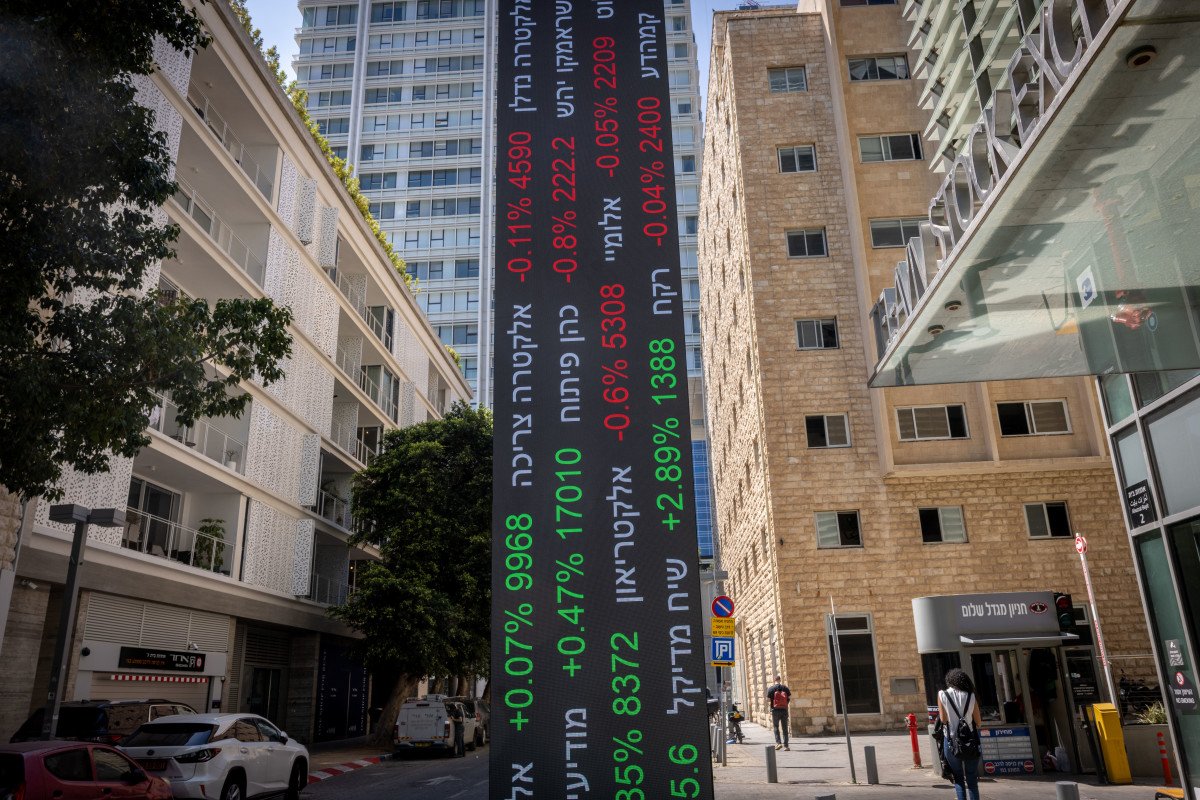
הבורסה בתל אביב ננעלת היום (ראשון) במגמה חיובית עם מדד תל אביב 35 שנצבע ירוק ועלה 0.6%, ומדד ת"א 125 שטיפס ב-0.42%. את הירידה הבולטת ביותר רשמה חברת הבניה אאורה שצללה בכשישה אחוזים, ואת העלייה הבולטת ביותר רשמה חברת ישרוטל שטיפסה בכשישה אחוזים.
שני דוחות כספיים שפורסמו היום מדגימים את המתח שבין גידול בהכנסות לבין שחיקה ברווחיות. שטראוס גרופ הציגה קפיצה דו־ספרתית במחזור המכירות ל־3.07 מיליארד שקל ברבעון השני, בעיקר בזכות פעילות הקפה הבינלאומית, אך בשורה התחתונה הרווח הנקי נשחק ל־80 מיליון שקל בלבד – ירידה של 2% ברבעון ו־37% בחציון – בשל עלייה בהוצאות המימון והמס.

פרויקט אאורה בגבעתיים. הפניקס תשקיע מאות מיליונים בפרוייקטים (צילום: סטודיו 84)
ישראייר גרופ, מצידה, רשמה מחזור שיא של 137 מיליון דולר ועלייה חדה במספר הנוסעים, אך מבצע "כלביא" לצד הוצאות מימון והשקעות כבדות דחפו אותה להפסד נקי של 10.4 מיליון דולר, לעומת רווח בשנה שעברה. שני המקרים משקפים היטב את האתגר של חברות הצומחות בהכנסות בקצב מהיר אך מתקשות לתרגם זאת לשורת רווח, בין אם בשל תנודתיות חיצונית ובין אם בגלל עלויות פנימיות כבדות.
המגמה החיובית של היום מגיעה בהמשך למגמה בה נסגרה הבורסה בשבוע שעבר, עם מדד תל אביב 35 שעלה ב־1.06%, ומדד תל אביב 125 שטיפס ב־1.05% – כשמדד הביטוח זינק ב־7.5% וקיזז את הירידות במדדי הבנקים והנדל"ן, שירדו ב־0.5% וב־0.1% בהתאמה.
ומה קרה מעבר לים? בארצות הברית השווקים נצבעו בירוק בשבוע שעבר, עם עליות מתונות בשניים מתוך שלושת המדדים המרכזיים: מדד S&P 500 עלה ב־0.27%, מדד דאו ג׳ונס התחזק ב־1.53%, ואילו הנאסד״ק דווקא ירד ב־0.58%. השקל, בתורו, נחלש מול הדולר, ועמד ביום חמישי האחרון על 3.419 – ירידה של 0.99% מיום חמישי שלפניו.
השוק האירופי נסחר גם הוא במגמה חיובית בשבוע החולף: מדד EURO STOXX 50 הכלל־אירופאי עלה ב־0.73%, מדד FTSE 100 הבריטי זינק ב־2.00%, מדד CAC 40 הצרפתי עלה ב־0.58%, ומדד DAX הגרמני כמעט לא זז – עם עלייה מזערית של 0.02%. לעומת זאת, מדד ניקיי היפני נחלש ב־1.72% במהלך השבוע. בגזרת המט"ח, השקל נחלש מול כל המטבעות המרכזיים: ב־0.66% מול האירו, ב־0.09% מול הליש"ט, וב־0.10% מול הין היפני.
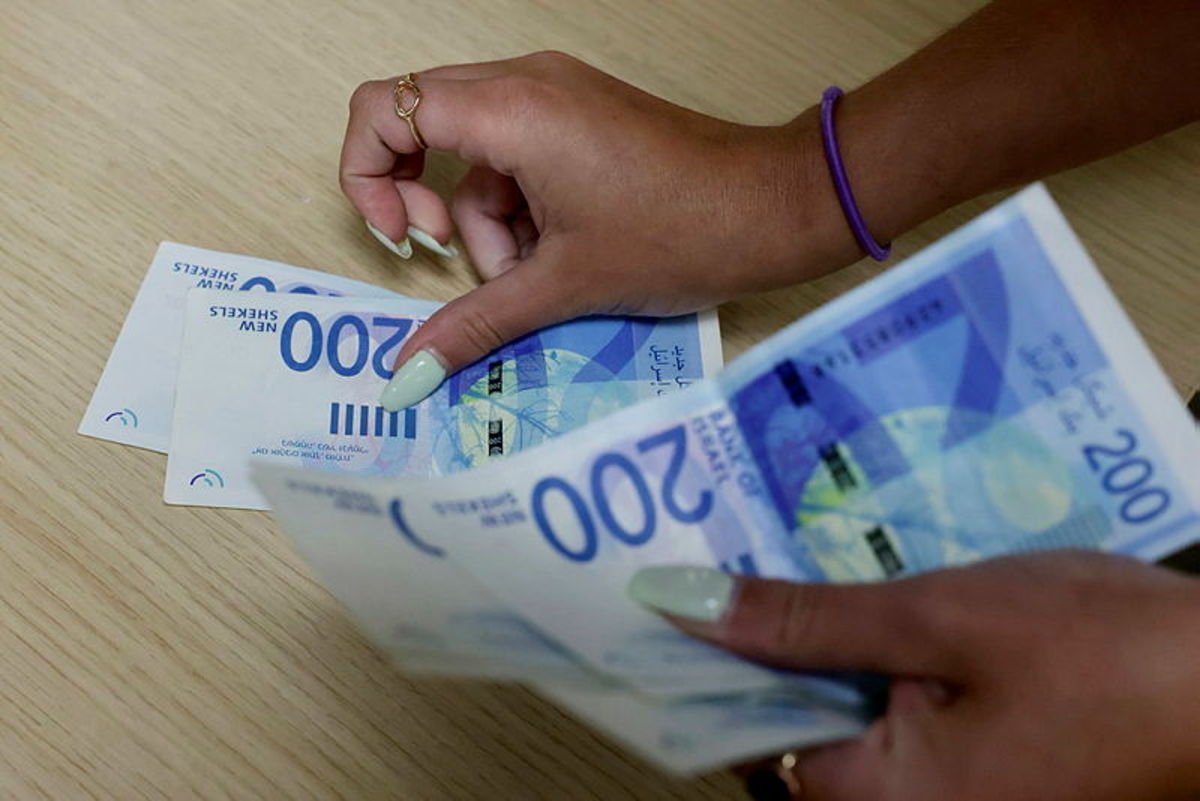
אחרי שבמהלך שעות הבוקר (8:00–12:00) נרשמה עלייה של 5.3% בהוצאות בכרטיסי אשראי לעומת השבוע שעבר, היקף עסקאות כולל של 467.38 מיליון שקל, לעומת 443.56 מיליון שקל ביום שלישי הקודם, חברת שב״א מפרסמת נתונים עדכניים שמהם עולה תמונה הפוכה בדיוק.
נתוני שב״א לשעות 8:00–17:00 מצביעים על ירידה של 2.4% בהוצאות לעומת השבוע שעבר: היקף עסקאות של 1.147 מיליארד שקל, ירידה של יותר מ־33 מיליון שקל ביחס ל־1.171 מיליארד שקל שנרשמו ביום שלישי שעבר.
חסימת כבישים 1 ו-6 ביום העצירה השני (צילום :סיימון, Simon)
כאמור, מדובר בהיפוך מגמה לעומת הנתונים מהצהריים, שהנתונים שפורסמו אז עוררו את התחושה שהמחאה לא פוגעת בצריכה, ואף מעודדת אותה במידה מסוימת. כעת ניתן לשער שלא היה מדובר בגל קניות חריג, אלא רק בהקדמה של קניות מהצהריים והערב של צרכנים בגלל ההפגנות והשיבושים.
אפשרויות חדשות לעריכת תמונות – ובחינם: אפליקציית הבינה המלאכותית ג׳מיני של גוגל מוסיפה אפשרויות עריכה מתקדמות לתמונות. בין היתר אפשר עתה לשנות לדמויות תלבושות ורקעים וגם לאחד דמויות מתמונות שונות לתמונה אחת מבלי שהפנים משתנות כפי שמתרחש במודלי בינה מלאכותית.
בגוגל מסבירים כי אחת הבעיות בעריכת תמונות באמצעות בינה מלאכותית היא שחזרות לא עקביות של דמויות, תופעה שעלולה לגרום לכך שהתמונה הסופית לא תיראה טבעית. החידוש בג׳מיני מבקש לתת מענה לנושא הזה, כך שגם אם מוסיפים אלמנטים חדשים, הדמות המקורית נותרת זהה במראה ובמאפיינים.
באמצעות הכלי החדש ניתן להעלות תמונה קיימת ולבקש לבצע בה שינוי, החל מהחלפת רקע ועד הוספת אביזרים או פרטי לבוש. בנוסף, ניתן לשלב מספר תמונות שונות ליצירת סצנה אחת, לדוגמה חיבור תמונה של אדם עם תמונה של חיית מחמד כך שייראו יחד באותה סיטואציה.

שתי תמונות שונות משתלבות לאחת. העדכון החדש (צילום: גוגל)
יכולת נוספת היא עריכה רב־שלבית: משתמש יכול להתחיל בתמונה של חדר ריק, לשנות את צבע הקירות, להוסיף רהיטים, ובהמשך להמשיך לערוך חלקים נוספים באותה סצנה.
האפליקציה מציעה גם אפשרות לשילוב עיצובים וסגנונות: לדוגמה שימוש במרקם של פרח ליצירת פריט לבוש, או החלת דוגמה מתמונה אחת על אובייקט בתמונה אחרת. מעבר לעריכה הסטטית, ניתן להעלות מחדש את התמונה שעברה שינוי ולבקש מג׳מיני להפוך אותה לסרטון קצר, כך שהתוצאה תהפוך דינמית.
העדכון הנוכחי מצטרף לכלי העריכה שהושקו באפליקציה מוקדם יותר השנה. בגוגל מציינים כי הפיתוח נשען על משוב שהתקבל ממשתמשים, במטרה לשפר את חוויית העריכה ולפשט את התהליך כך שלא ידרוש ידע מקצועי מוקדם.
ג׳מיני ממשיכה בכך להתחרות באפליקציות עריכה פופולריות אחרות, כשהיתרון המשמעותי הוא שילוב טכנולוגיות בינה מלאכותית מתקדמות בממשק פשוט לשימוש, עם אופציות רבות לעריכת התמונה, ללא עיוות או שינוי של פני הדמויות.