Well-a, beat the drum and hold the phone,The sun came out today.We’re born again, there’s new grass on the field.A-roundin’ third, and headed for home,It’s a brown-eyed handsome man,Anyone can understand the way I feel. – John Fogerty, “Centerfield”
Over the past few days, the weather has finally turned warm in Israel, a sure sign of spring. Another sure sign? Baseball is back, and Thursday was Opening Day.
For all of you baseball fans, nothing compares to Opening Day. It means a new season in which, for a day or two, everyone has an equal chance of winning the World Series. Optimism reigns supreme.
Here in Israel, with all that we have gone through these last 17 months, we sure could use a healthy dose of optimism.
In this week’s Torah portion, we read Parshat Pekudei. Rabbi Jonathan Sachs refers to it as the “The Accountant’s Parsha,” because it begins with the audited accounts of the money and materials donated to the Mishkan (Tabernacle, or Sanctuary).
A charity donation box is seen in this illustrative photo taken March 22, 2023 (credit: MARC ISRAEL SELLEM/THE JERUSALEM POST)
He writes: “But beneath the sometimes-dry surface lie two extraordinary stories, one told in last week’s parsha (Vayakhel), the other the week before (Ki Tissa), teaching us something deep about Jewish nature that is still true today. The first has to do with the Sanctuary itself. God told Moses to ask people to make contributions. Some brought gold, some silver, and some copper. Some gave wool or linen or animal-skins. Others contributed acacia wood, oil, spices, or incense. Some gave precious stones for the High Priest’s breastplate. What was remarkable was the willingness with which they gave.”
The Torah then spells out how much they gave, and that ultimately, they gave too much, and Moses had to tell the nation to stop giving. Two weeks ago, we read the story of the golden calf. The people were anxious about whether Moses was going to return, after miscalculating his return date.
They turned to Aaron to make them a calf. In an attempt to stall the mobs, he asked them to bring all of the earrings from their wives, sons, and daughters. Without hesitation, they brought Aaron the earrings, and the rest was history.But what do we see from this? That giving is in the blood of our nation. Maybe not always for the best of reasons, but we take the obligation to give seriously.
Self-centered excitement
There is a certain excitement or optimism in the air at this time of year. As Passover is fast approaching, many people are spending huge amounts of money, shopping for foodstuffs, cleaning supplies, wine, matza, etc. Others are taking it easy, because they are spending significantly more money to go away to a hotel. The excitement is very much self-centered.
Advertisement
We recently celebrated Purim. The obligations to eat and drink and to give food gifts to friends is well known and taken very seriously by many. The obligation to give money to the poor is often fulfilled in a bare-bones fashion.
Stay updated with the latest news!
Subscribe to The Jerusalem Post Newsletter
Speaking about this issue in the laws of Megillah and Hanukkah (2:17), the Rambam writes: “It is preferable for a person to be more liberal with his donations to the poor than to be lavish in his preparation of the Purim feast or in sending portions to his friends. For there is no greater and more splendid happiness than to gladden the hearts of the poor, the orphans, the widows, and the converts.
“One who brings happiness to the hearts of these unfortunate individuals resembles the Divine Presence, which Isaiah 57:15 describes as having the tendency ‘to revive the spirit of the lowly and to revive those with broken hearts.’”
In the beginning of the laws of Passover, the Rama writes: “And it is customary to buy wheat to give to the poor for Pesach.” We see that at this time of year in particular, we have to not just focus on ourselves but on those less fortunate as well.
We were driving to the cemetery for my mother’s yahrzeit and were listening to a talk by Rabbi Shay Schachter. He told the story of how in his early days in the rabbinate, he was invited to join Rabbi Billet when people came to him to sell their hametz.
He recalled how the rabbi asked a congregant what his plans for the holiday were. The congregant said he was taking his family to Cancun, Mexico. The rabbi, understanding the financial outlay that entailed, told the man, and I paraphrase: “I really hope that if you are spending that much money on your family, you will write a check for more than a couple of hundred dollars for the poor.”
Rabbi Sachs concluded, “There is a fascinating feature of the geography of the land of Israel. It contains two seas: the Sea of Galilee and the Dead Sea. The Sea of Galilee is full of life. The Dead Sea, as its name implies, is not. Yet they are fed by the same river, the Jordan. The difference is that the Sea of Galilee receives water and gives water. The Dead Sea receives but does not give. To receive but not to give is, in Jewish geography as well as Jewish psychology, simply not life.”
The information contained in this article reflects the opinion of the author and not necessarily the opinion of Portfolio Resources Group, Inc. or its affiliates.
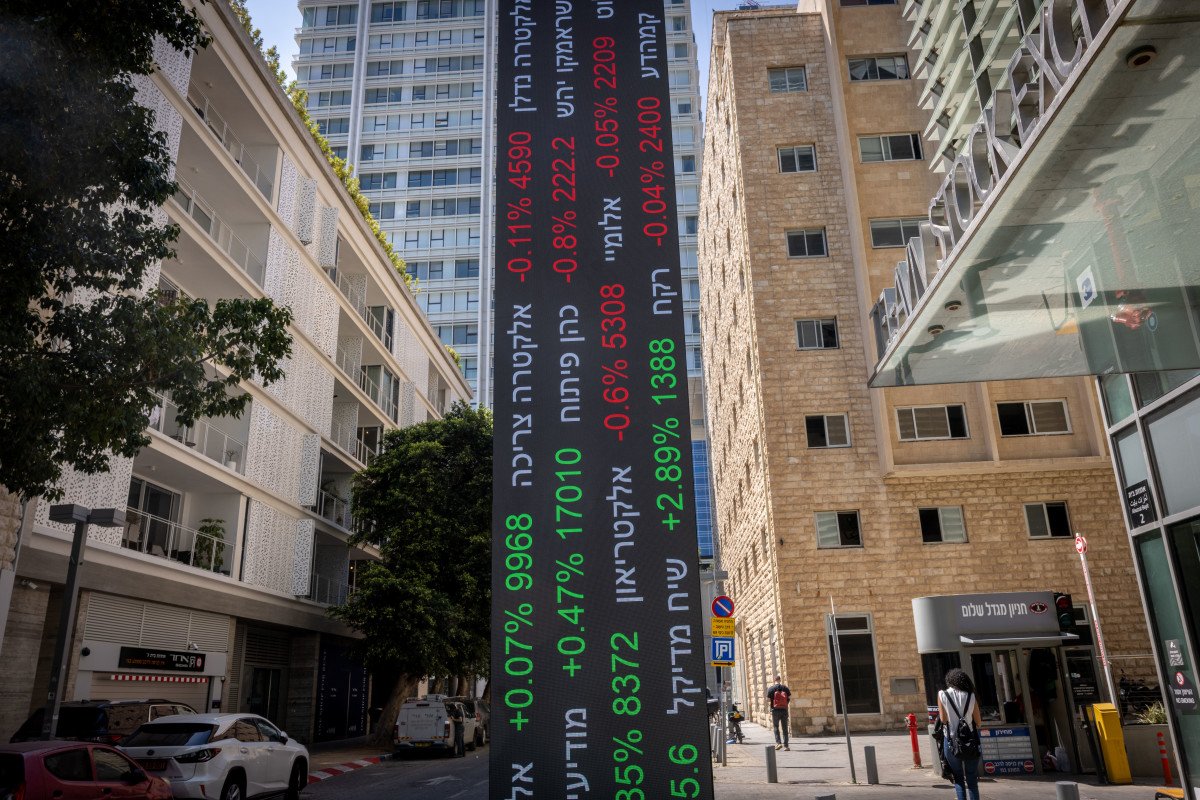
הבורסה בתל אביב ננעלת היום (ראשון) במגמה חיובית עם מדד תל אביב 35 שנצבע ירוק ועלה 0.6%, ומדד ת"א 125 שטיפס ב-0.42%. את הירידה הבולטת ביותר רשמה חברת הבניה אאורה שצללה בכשישה אחוזים, ואת העלייה הבולטת ביותר רשמה חברת ישרוטל שטיפסה בכשישה אחוזים.
שני דוחות כספיים שפורסמו היום מדגימים את המתח שבין גידול בהכנסות לבין שחיקה ברווחיות. שטראוס גרופ הציגה קפיצה דו־ספרתית במחזור המכירות ל־3.07 מיליארד שקל ברבעון השני, בעיקר בזכות פעילות הקפה הבינלאומית, אך בשורה התחתונה הרווח הנקי נשחק ל־80 מיליון שקל בלבד – ירידה של 2% ברבעון ו־37% בחציון – בשל עלייה בהוצאות המימון והמס.

פרויקט אאורה בגבעתיים. הפניקס תשקיע מאות מיליונים בפרוייקטים (צילום: סטודיו 84)
ישראייר גרופ, מצידה, רשמה מחזור שיא של 137 מיליון דולר ועלייה חדה במספר הנוסעים, אך מבצע "כלביא" לצד הוצאות מימון והשקעות כבדות דחפו אותה להפסד נקי של 10.4 מיליון דולר, לעומת רווח בשנה שעברה. שני המקרים משקפים היטב את האתגר של חברות הצומחות בהכנסות בקצב מהיר אך מתקשות לתרגם זאת לשורת רווח, בין אם בשל תנודתיות חיצונית ובין אם בגלל עלויות פנימיות כבדות.
המגמה החיובית של היום מגיעה בהמשך למגמה בה נסגרה הבורסה בשבוע שעבר, עם מדד תל אביב 35 שעלה ב־1.06%, ומדד תל אביב 125 שטיפס ב־1.05% – כשמדד הביטוח זינק ב־7.5% וקיזז את הירידות במדדי הבנקים והנדל"ן, שירדו ב־0.5% וב־0.1% בהתאמה.
ומה קרה מעבר לים? בארצות הברית השווקים נצבעו בירוק בשבוע שעבר, עם עליות מתונות בשניים מתוך שלושת המדדים המרכזיים: מדד S&P 500 עלה ב־0.27%, מדד דאו ג׳ונס התחזק ב־1.53%, ואילו הנאסד״ק דווקא ירד ב־0.58%. השקל, בתורו, נחלש מול הדולר, ועמד ביום חמישי האחרון על 3.419 – ירידה של 0.99% מיום חמישי שלפניו.
השוק האירופי נסחר גם הוא במגמה חיובית בשבוע החולף: מדד EURO STOXX 50 הכלל־אירופאי עלה ב־0.73%, מדד FTSE 100 הבריטי זינק ב־2.00%, מדד CAC 40 הצרפתי עלה ב־0.58%, ומדד DAX הגרמני כמעט לא זז – עם עלייה מזערית של 0.02%. לעומת זאת, מדד ניקיי היפני נחלש ב־1.72% במהלך השבוע. בגזרת המט"ח, השקל נחלש מול כל המטבעות המרכזיים: ב־0.66% מול האירו, ב־0.09% מול הליש"ט, וב־0.10% מול הין היפני.
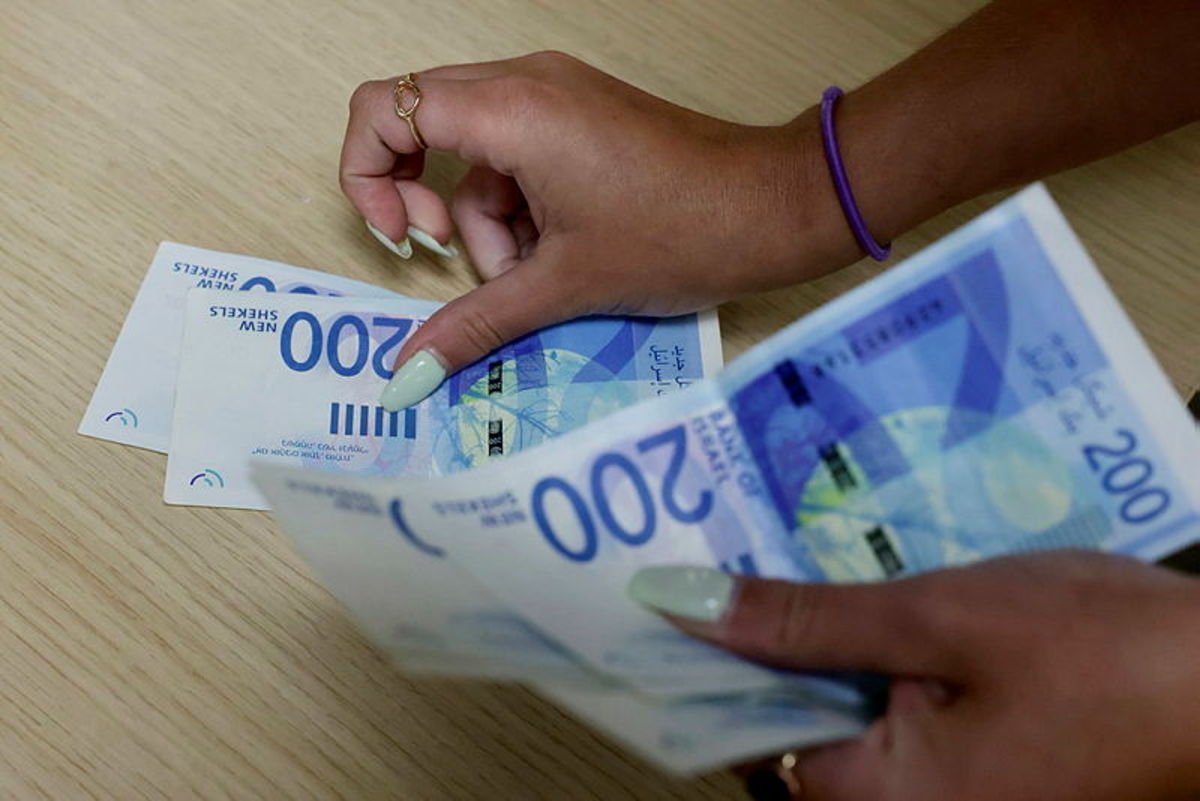
אחרי שבמהלך שעות הבוקר (8:00–12:00) נרשמה עלייה של 5.3% בהוצאות בכרטיסי אשראי לעומת השבוע שעבר, היקף עסקאות כולל של 467.38 מיליון שקל, לעומת 443.56 מיליון שקל ביום שלישי הקודם, חברת שב״א מפרסמת נתונים עדכניים שמהם עולה תמונה הפוכה בדיוק.
נתוני שב״א לשעות 8:00–17:00 מצביעים על ירידה של 2.4% בהוצאות לעומת השבוע שעבר: היקף עסקאות של 1.147 מיליארד שקל, ירידה של יותר מ־33 מיליון שקל ביחס ל־1.171 מיליארד שקל שנרשמו ביום שלישי שעבר.
חסימת כבישים 1 ו-6 ביום העצירה השני (צילום :סיימון, Simon)
כאמור, מדובר בהיפוך מגמה לעומת הנתונים מהצהריים, שהנתונים שפורסמו אז עוררו את התחושה שהמחאה לא פוגעת בצריכה, ואף מעודדת אותה במידה מסוימת. כעת ניתן לשער שלא היה מדובר בגל קניות חריג, אלא רק בהקדמה של קניות מהצהריים והערב של צרכנים בגלל ההפגנות והשיבושים.
אפשרויות חדשות לעריכת תמונות – ובחינם: אפליקציית הבינה המלאכותית ג׳מיני של גוגל מוסיפה אפשרויות עריכה מתקדמות לתמונות. בין היתר אפשר עתה לשנות לדמויות תלבושות ורקעים וגם לאחד דמויות מתמונות שונות לתמונה אחת מבלי שהפנים משתנות כפי שמתרחש במודלי בינה מלאכותית.
בגוגל מסבירים כי אחת הבעיות בעריכת תמונות באמצעות בינה מלאכותית היא שחזרות לא עקביות של דמויות, תופעה שעלולה לגרום לכך שהתמונה הסופית לא תיראה טבעית. החידוש בג׳מיני מבקש לתת מענה לנושא הזה, כך שגם אם מוסיפים אלמנטים חדשים, הדמות המקורית נותרת זהה במראה ובמאפיינים.
באמצעות הכלי החדש ניתן להעלות תמונה קיימת ולבקש לבצע בה שינוי, החל מהחלפת רקע ועד הוספת אביזרים או פרטי לבוש. בנוסף, ניתן לשלב מספר תמונות שונות ליצירת סצנה אחת, לדוגמה חיבור תמונה של אדם עם תמונה של חיית מחמד כך שייראו יחד באותה סיטואציה.

שתי תמונות שונות משתלבות לאחת. העדכון החדש (צילום: גוגל)
יכולת נוספת היא עריכה רב־שלבית: משתמש יכול להתחיל בתמונה של חדר ריק, לשנות את צבע הקירות, להוסיף רהיטים, ובהמשך להמשיך לערוך חלקים נוספים באותה סצנה.
האפליקציה מציעה גם אפשרות לשילוב עיצובים וסגנונות: לדוגמה שימוש במרקם של פרח ליצירת פריט לבוש, או החלת דוגמה מתמונה אחת על אובייקט בתמונה אחרת. מעבר לעריכה הסטטית, ניתן להעלות מחדש את התמונה שעברה שינוי ולבקש מג׳מיני להפוך אותה לסרטון קצר, כך שהתוצאה תהפוך דינמית.
העדכון הנוכחי מצטרף לכלי העריכה שהושקו באפליקציה מוקדם יותר השנה. בגוגל מציינים כי הפיתוח נשען על משוב שהתקבל ממשתמשים, במטרה לשפר את חוויית העריכה ולפשט את התהליך כך שלא ידרוש ידע מקצועי מוקדם.
ג׳מיני ממשיכה בכך להתחרות באפליקציות עריכה פופולריות אחרות, כשהיתרון המשמעותי הוא שילוב טכנולוגיות בינה מלאכותית מתקדמות בממשק פשוט לשימוש, עם אופציות רבות לעריכת התמונה, ללא עיוות או שינוי של פני הדמויות.